


Nepal is world-famous for epic, weeks-long expeditions to Everest Base Camp and around the Annapurna Circuit. But you don’t need weeks of free time or elite mountaineering endurance to experience the magic of the Himalayas. At Action Nepal Treks, we offer a range of short treks in Nepal lasting 2 to 12 days, taking you through alpine valleys, ancient Buddhist monasteries, traditional villages, and landscapes framed by towering 8,000-meter peaks.
Whether you have a few days to spare in Pokhara or Kathmandu, are traveling with family, or are a first-time hiker looking for a gentle introduction to mountain trails, these shorter routes offer the perfect balance of adventure and accessibility.
Why Nepal Is the World’s Best Short Trekking Destination?
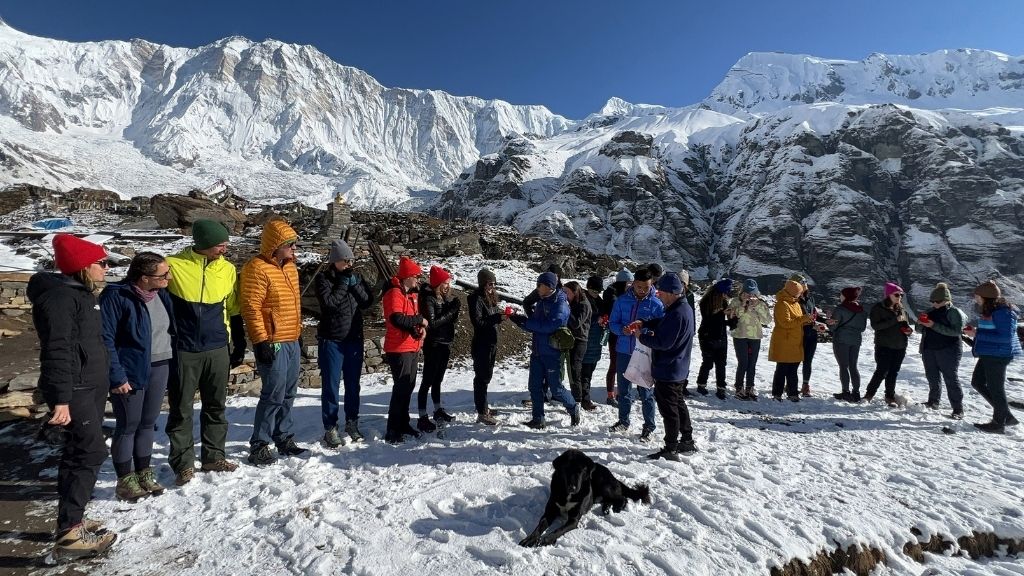
Nepal stands out as an unmatched destination for short treks due to its unique combination of geography, infrastructure, and culture:
- Dramatic Elevation Changes: The landscape shifts from subtropical forests to alpine ridges within relatively short distances. This lets you reach stunning mountain viewpoints in just a few days.
- Established Teahouse Networks: Many popular trekking routes have teahouses and mountain lodges where you can eat and sleep, so you don’t need to carry tents, cooking equipment, or a large food supply.
- Convenient Access: Pokhara and Kathmandu Valleys provide easy access to several trekking regions of Nepal. Depending on your chosen route, you can reach a trailhead after a short drive or flight and begin trekking the same day.
- Rich Local Culture: Many trails pass through Gurung, Magar, Tamang, and Sherpa villages, where you can experience local traditions, architecture, and everyday mountain life along the way.
Top 10 Best Short Treks in Nepal
Below are the premier short trek itineraries available with Action Nepal Treks. Each mini-profile provides consistent details so you can compare options easily.
Ghorepani Poon Hill Trek
The Ghorepani Poon Hill Trek is one of Nepal’s most popular short and easy treks from Pokhara, offering panoramic Himalayan views without the demands of a high-altitude expedition. The trekking trail climbs through rhododendron and oak forests and traditional Gurung and Magar villages, including Ulleri and Ghorepani.
The highlight is an early-morning hike to Poon Hill (3,210 m), where sunrise lights up the peaks of Dhaulagiri, Annapurna South, and Machhapuchhre (Fishtail). The route also passes through Ghandruk, a traditional stone village, before returning to Pokhara.
- Duration: 4 Days
- Maximum Altitude: 3,210 m (Poon Hill)
- Difficulty: Easy to Moderate
- Permits Required: ACAP & TIMS Card
- Starting Price: USD 399 per person


Langtang Valley Trek
Located directly north of Kathmandu, the Langtang Valley Trek takes you into the heart of the “Valley of Glaciers.” The trail follows the Langtang Khola through dense bamboo and pine forests before opening into alpine meadows surrounded by glaciers and snow-covered peaks, including Langtang Lirung (7,227 m). Along the way, you can experience Tamang culture, visit Buddhist monasteries, and stop at the local yak cheese factory in Kyanjin Gompa (3,865 m).
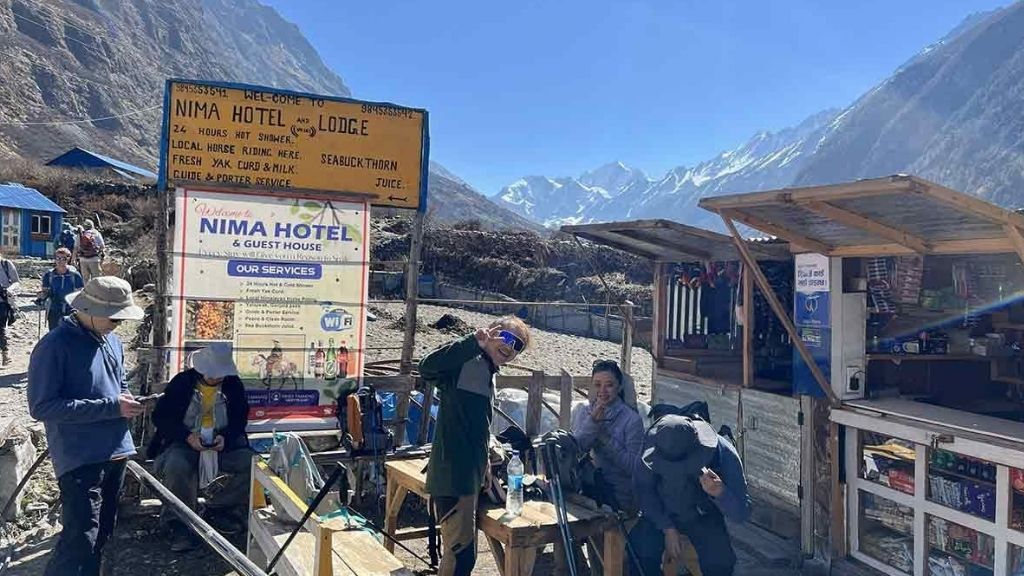
For a more challenging hike, you can take an excursion to Tserko Ri (4,773 m) for panoramic views of the Langtang range. Since the trailhead at Syabrubesi is reached by road from Kathmandu, you can also avoid the cost of domestic flights.
- Duration: 8 Days
- Maximum Altitude: 3,865 m (Kyanjin Gompa) / 4,773 m (Tserko Ri peak day)
- Difficulty: Moderate
- Permits Required: Langtang National Park Permit & TIMS Card
- Starting Price: USD 630 per person
Short Annapurna Base Camp (ABC) Trek
Designed for fit travelers with limited time, the Short Annapurna Base Camp Trek takes you into the heart of the Annapurna Sanctuary in fewer days. Private jeep transport to higher starting points, such as Jhinu Danda or Samrung, helps you skip some of the lower foothill sections and reach the trail faster.
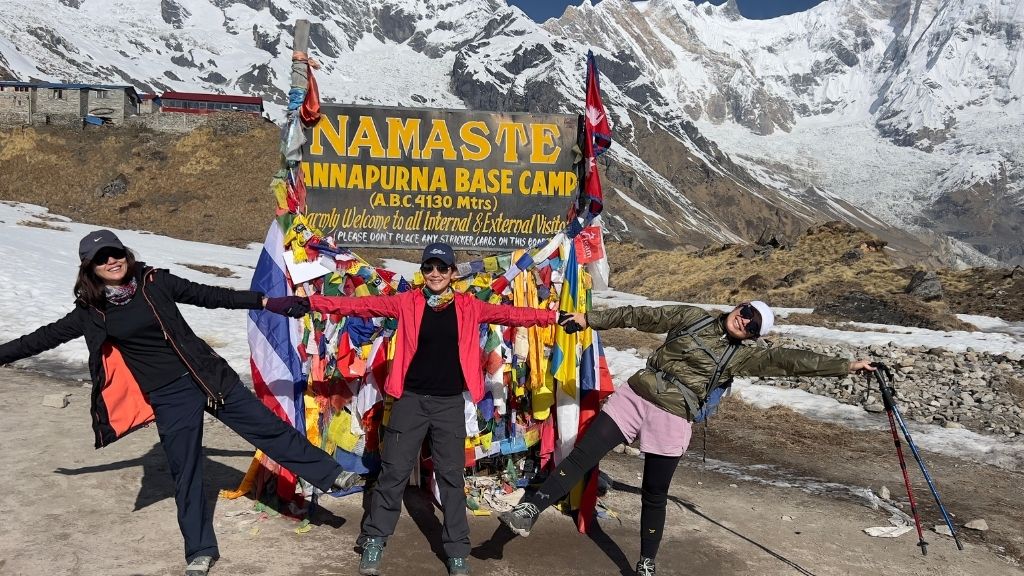
From there, the route follows the Modi Khola through bamboo forests and narrow gorges, passing Machhapuchhre Base Camp before reaching Annapurna Base Camp (4,130 m). Here, towering peaks surround you in a natural mountain amphitheater. On the return journey, you can stop at the natural hot springs of Jhinu Danda to relax after several days of demanding uphill hiking.
- Duration: 5 Days
- Maximum Altitude: 4,130 m (Annapurna Base Camp)
- Difficulty: Moderate to Challenging
- Permits Required: ACAP & TIMS Card
- Starting Price: USD 599 per person


Mardi Himal Trek
The Mardi Himal Trek is an ideal choice for hikers seeking a quieter, off-the-beaten-path alternative trek in the Annapurna region. Instead of following busy river valleys, this trail ascends along pristine forest ridges draped in moss and rhododendrons, quickly rising above the treeline to High Camp. Walking along narrow mountain ridges gives you constant, uninterrupted views of Mount Machhapuchhre (Fishtail), Annapurna South, and Hiunchuli right beside you.
Reaching Mardi Himal Base Camp (4,500 m) delivers a face-to-face mountain panorama that feels far more remote and intimate than commercial routes, all while maintaining simple, welcoming teahouse accommodation along the way.
- Duration: 7 Days
- Maximum Altitude: 4,500 m (Mardi Himal Base Camp)
- Difficulty: Moderate
- Permits Required: ACAP & TIMS Card
- Starting Price: USD 620 per person
Everest View Trek
For travelers who want to see Mount Everest without committing to the full Everest Base Camp trek, the Everest View Trek offers a shorter alternative. The journey begins with a mountain flight to Lukla, then follows the Dudh Koshi River, crosses suspension bridges decorated with prayer flags, and climbs to Namche Bazaar (3,440 m), the main Sherpa trading hub in the Khumbu region.
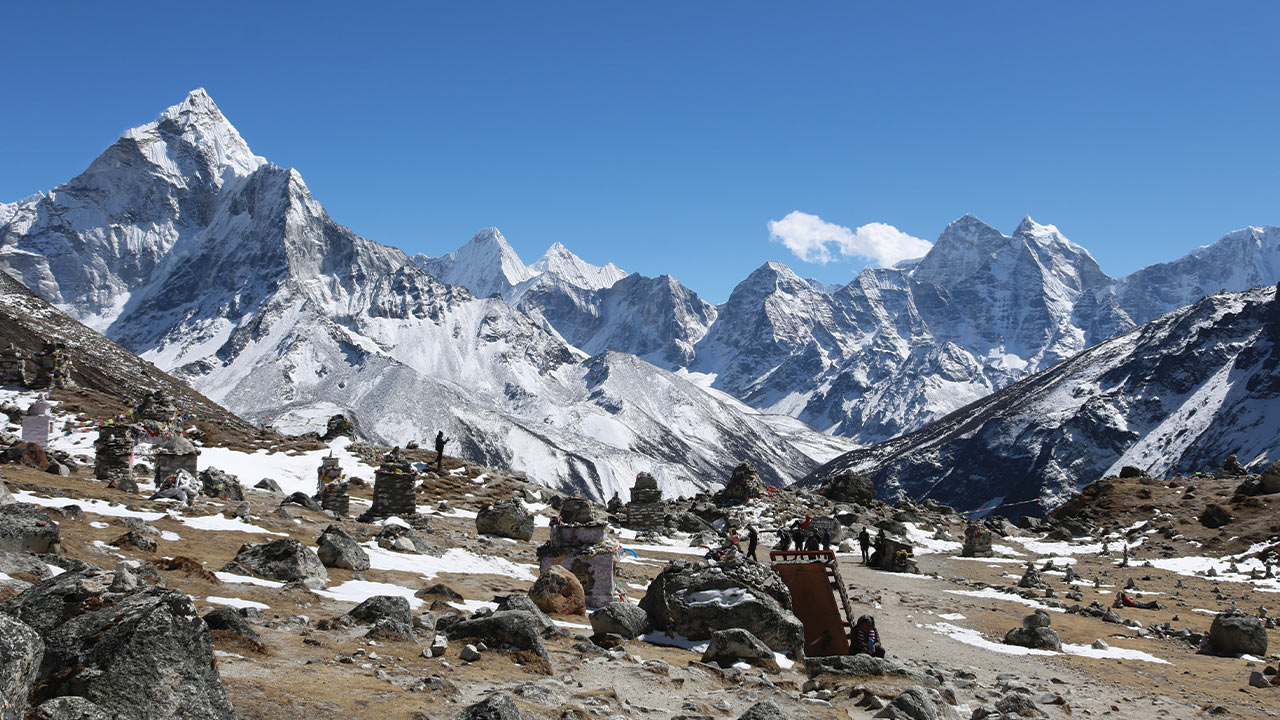
From Namche, an excursion to Hotel Everest View (3,880 m) rewards you with panoramic views of Mount Everest, Lhotse, Ama Dablam, and Thamserku. Along the way, you can experience Sherpa culture, visit traditional mountain villages, and stay in teahouses while enjoying the Himalayan scenery, all within a few days.
- Duration: 5 Days
- Maximum Altitude: 3,880 m (Hotel Everest View)
- Difficulty: Easy to Moderate
- Permits Required: Sagarmatha National Park Permit & Khumbu Entry Permit
- Starting Price: USD 1,069 per person (Includes round-trip domestic flights)


Pikey Peak Trek
Favored by legendary mountaineer Sir Edmund Hillary for having one of the finest views of Everest in all of Nepal, the Pikey Peak Trek traverses the lower Solukhumbu region. This off-the-beaten-track route wanders through peaceful Sherpa, Tamang, and Rai villages, ancient Buddhist gompas, and quiet pine forests far away from mainstream tourist crowds.
From its summit at 4,065 m, you can watch a panoramic Himalayan sunrise, with views stretching from Dhaulagiri in the west to Everest, Lhotse, Makalu, and Kanchenjunga in the east on a clear day. Easily accessed by road from Kathmandu, this trek is a great choice for travelers seeking quieter trails, traditional Sherpa villages, and a closer look at the region’s Buddhist heritage without the crowds of the Everest Base Camp route.
- Duration: 7 Days
- Maximum Altitude: 4,065 m (Pikey Peak summit)
- Difficulty: Moderate
- Permits Required: Local Area Permit & TIMS Card
- Starting Price: USD 499 per person
Khopra Danda Trek
The Khopra Danda (Ridge) Trek offers a quieter alternative to the busier routes in the Annapurna region, with sweeping views of Mount Dhaulagiri and the Kali Gandaki Gorge. The trail climbs onto high alpine ridges, where community-run lodges help support local villages and schools. For a more challenging excursion, you can hike to Khayer Lake (around 4,600 m), a sacred alpine lake beneath the cliffs of Annapurna South. With rewarding climbs, fewer trekkers, and opportunities to experience local hospitality, Khopra Danda is a good choice for those seeking a quieter Himalayan trekking experience.
- Duration: 10 Days
- Maximum Altitude: 3,660 m (Khopra Ridge) / 4,600 m (Khayer Lake optional day)
- Difficulty: Moderate
- Permits Required: ACAP & TIMS Card
- Starting Price: USD 750 per person


Annapurna Base Camp Trek via Poon Hill
If you have a few extra days and don’t want to choose between iconic sunrise views and deep sanctuary exploration, this combined route delivers the best of both worlds. The ABC Trek via Poon Hill begins with the classic ascent to Ghorepani and Poon Hill for early morning panoramas over Dhaulagiri and Annapurna. From there, the trail cuts across the lush rhododendron forests of Tadapani and joins the main Annapurna Sanctuary route through Chhomrong and Bamboo.

After walking through the narrow valley, you emerge at Annapurna Base Camp (4,130 m), surrounded by towering glacier walls. This extended short itinerary allows for gentler elevation gain and better acclimatization compared to express base camp routes.
- Duration: 9 Days
- Maximum Altitude: 4,130 m (Annapurna Base Camp)
- Difficulty: Moderate to Challenging
- Permits Required: ACAP & TIMS Card
- Starting Price: USD 770 per person
Short Annapurna Circuit Trek
For fit trekkers who want the legendary scenery of the Annapurna Circuit without spending two to three weeks on the trail, the Short Annapurna Circuit packs the highlights into a high-octane journey. Utilizing mountain jeep roads to reach higher villages like Manang, this route takes you through arid, Tibetan-influenced landscapes, ancient monasteries, and dramatic high valleys.
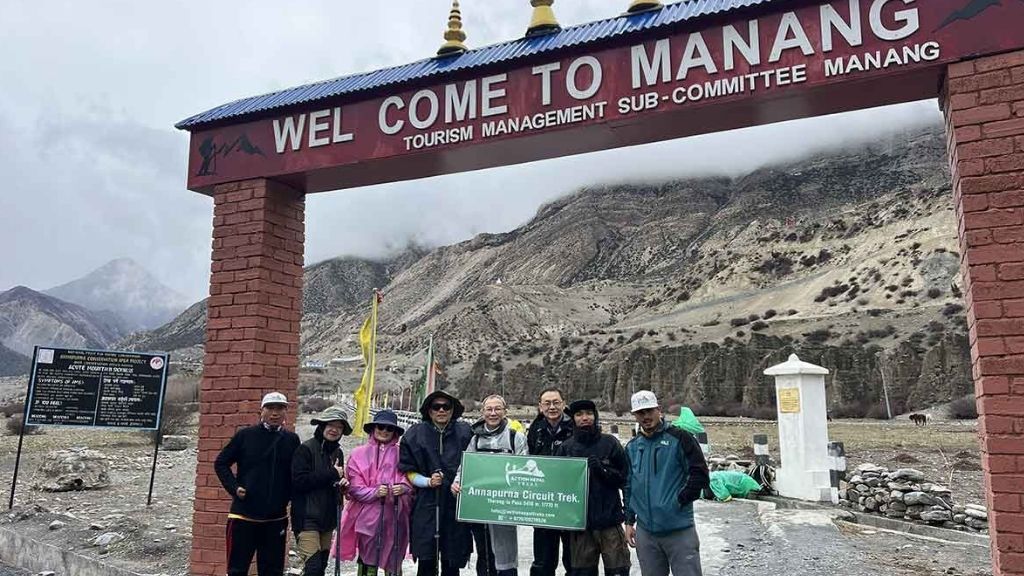
The defining challenge of the trek is crossing the formidable Thorong La Pass (5,416 m), one of the highest navigable mountain passes in the world, before descending to the sacred pilgrimage site of Muktinath. It offers an incredible high-pass challenge for experienced hikers short on time.
- Duration: 9 Days
- Maximum Altitude: 5,416 m (Thorong La Pass)
- Difficulty: Challenging
- Permits Required: ACAP & TIMS Card
- Starting Price: USD 699 per person


Australian Camp & Dhampus Trek
The Australian Camp Trek is the shortest mountain getaway, ideal for weekenders, families traveling with small children, active seniors, or travelers on a tight layover schedule. This base camp sits just a short drive from Pokhara, and its trail gently climbs through terraced farmland and quiet woods to the Australian Camp ridge (2,100 m).
Here, you can sit back at comfortable hillside lodges and take in wide-open views of Mount Machhapuchhre and the Annapurna range. The gentle descent leads down through the traditional stone-paved village of Dhampus, offering a complete Himalayan trekking experience with zero altitude stress and minimal physical strain.
- Duration: 2 Days
- Maximum Altitude: 2,060 m (Australian Camp)
- Difficulty: Easy
- Permits Required: ACAP & TIMS Card
- Starting Price: USD 99 per person
Which Short Trek in Nepal Is Best for You?
Choosing the ideal short trekking route comes down to matching your available time, physical fitness, and travel preferences with each trail’s unique character. Whether you want easy, family-friendly walks, iconic bucket-list mountain views, or serene, uncrowded paths, a short route tailored to your style is out there. Below is a breakdown of which trek fits best depending on what type of traveler you are:
- First-Time Beginners: Ghorepani Poon Hill Trek (4 Days) — Perfect for first-time hikers wanting a gentle introduction to Himalayan trekking. It offers well-established, comfortable teahouses and stunning sunrise panoramas over the Annapurna and Dhaulagiri ranges. Note: Expect steep stone staircases and larger crowds during peak season.
- Families & Seniors: Australian Camp & Dhampus Trek (2 Days) — Ideal for families traveling with children or active older travelers. It features short daily walking hours, low altitude risks, and relaxed paths without sacrificing views of Machhapuchhre. Note: Offers a shorter, foothill experience rather than a deep alpine journey.
- Bucket-List Seekers: Everest View Trek (5 Days) — Designed for travelers who want to see Mount Everest face-to-face without committing to a 14-day base-camp expedition. Note: Higher price point due to domestic flight logistics to and from Lukla.
- Ridge & Scenery Lovers: Mardi Himal Trek (7 Days) — Best for fit hikers seeking dramatic, high-ridge walking with front-row vistas of Mount Machhapuchhre away from major commercial trails. Note: Includes steep ascents and more basic lodge facilities at high camp.
- Quiet Trail Seekers: Pikey Peak Trek (7 Days) — Great for hikers wanting peaceful, off-the-beaten-path trails combined with rich, authentic Sherpa culture and open views of Everest. Note: Requires a longer overland jeep drive from Kathmandu to reach the trailhead.
Best Time for Short Treks in Nepal
| Season | Months | Weather & Conditions | Recommendation |
|---|---|---|---|
| Autumn (Peak) | September – November | Crystal-clear mountain views, stable blue skies, dry trails. | Best overall season. Ideal for all short treks. |
| Spring (Peak) | March – May | Mild warmth, blooming rhododendron and wildflower forests. | Great for photography & floral scenery. |
| Winter | December – February | Clear days, cold nights, quiet trails, snow on higher passes. | Excellent for low-altitude treks (< 3,500 m) like Poon Hill & Everest View. |
| Monsoon | June – August | Heavy rain, slippery mud, leeches, obscured mountain views. | Stick to rain-shadow areas or light foothill walks. |
How Difficult Are Short Treks in Nepal?
Short treks in Nepal range from easy foothill walks to challenging high-altitude hikes. The difficulty depends on the route, daily walking hours, elevation gain, trail conditions, and maximum altitude. Australian Camp and Balthali offer relatively gentle walks, while Poon Hill involves steep stone staircases and sustained uphill sections. Shorter itineraries to Annapurna Base Camp or Mardi Himal can be more demanding because they involve longer walking days and faster elevation gain. Choosing a trek that matches your fitness level and allowing enough time to acclimatize will help you manage the physical demands.
Are Short Treks in Nepal Suitable for Beginners?
Yes, several short treks in Nepal are suitable for beginners. Australian Camp and Balthali are good options for travelers looking for gentler trails, while Poon Hill suits beginners who are comfortable with longer walks and steep uphill sections. You don’t need mountaineering experience, but you should be able to walk for several hours a day over uneven terrain. Building your stamina before the trip will make the experience more comfortable.
Can Older Travelers and Families Do Short Treks in Nepal?
Yes, many older travelers and families can enjoy short treks in Nepal by choosing a suitable route and maintaining a comfortable pace. Lower-elevation options, such as Australian Camp and Balthali, generally involve less physical strain than high-altitude treks. A porter can carry your main luggage, leaving you with a lighter daypack, but steep climbs and uneven trails can still be demanding. When choosing an itinerary, consider everyone’s fitness, health, and walking ability, and allow extra time for rest.
Can You Get Altitude Sickness on a Short Trek in Nepal?
Yes, altitude sickness can occur on short treks in Nepal, particularly when the route climbs above 2,500 m. Poon Hill reaches 3,210 m, Annapurna Base Camp reaches 4,130 m, and Mardi Himal’s upper viewpoints reach around 4,500 m. Reaching these elevations quickly can increase the risk of acute mountain sickness (AMS), regardless of your fitness level.
Ascend gradually where possible, follow your guide’s advice, and watch for symptoms such as headaches, nausea, dizziness, and unusual fatigue. If symptoms develop or worsen, don’t ascend further; descend if necessary and seek medical help. Staying hydrated is sensible, but it does not prevent altitude sickness.
Short Treks in Nepal: Cost and Budget Breakdown
The cost of short treks in Nepal depends on the route, duration, transport, and services included. At Action Nepal Treks, packages range from USD 99 for 2-day foothill walks to USD 1,069 for 5-day Everest trips involving domestic flights.
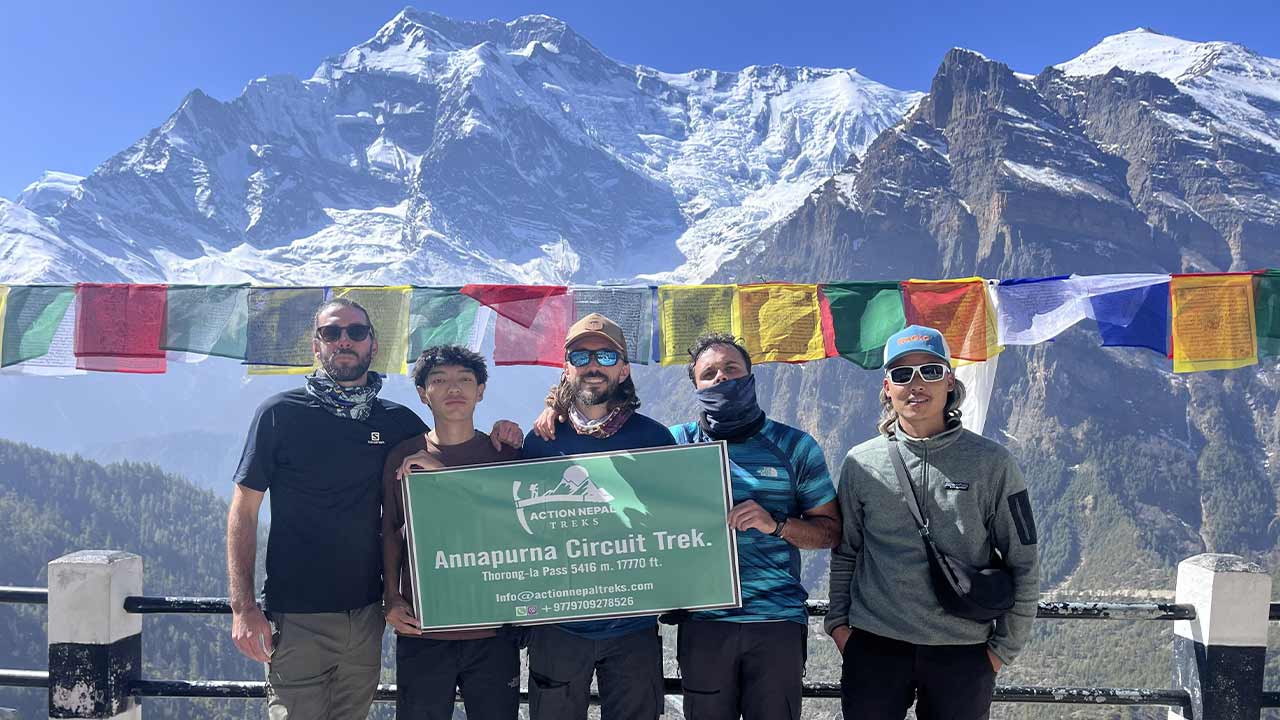
Our packages cover key expenses such as guide and porter services, accommodation, required permits, and designated transport, depending on the itinerary. Meals and domestic flights may vary, so confirm what’s included before booking.
How Much Extra Money Should You Bring?
Budget around USD 10-20 per person per day for personal expenses, including hot showers (USD 2-5), Wi-Fi and device charging (USD 2-5), and bottled water or hot drinks (USD 2-4 per purchase). You can also budget USD 10-15 per day for guide and porter tips.
Remember to account for international flights, Nepal visa fees, travel insurance with trekking and emergency evacuation coverage, personal gear, and any extra hotel nights or meals not covered by your package. Choose a road-accessible trek and bring reusable water bottles to keep costs down.
What Should You Pack for a Short Trek in Nepal?
You can keep your backpack light for all of these short adventures. Focus on comfortable layers, reliable footwear, and essentials for changing mountain weather.
- Clothing: Moisture-wicking base layers, fleece, a lightweight down jacket, waterproof shell, trekking pants, and thermal underwear for colder nights.
- Footwear: Broken-in trekking boots, wool or moisture-wicking socks, and sandals for relaxing at teahouses.
- Gear: A 30L daypack, trekking poles, headlamp, and sleeping bag liner. You may also need a sleeping bag on colder or higher-altitude routes.
- Personal Items: Water purification tablets, quick-dry towel, sunscreen, lip balm, personal medication, basic first-aid supplies, and wet wipes.
Tip: Adjust your packing list to your route and season. Higher-altitude treks need warmer layers than lower-elevation walks, even if both last only a few days.
How to Choose and Plan Your Short Trek in Nepal
- Choose a Trek Based on Your Available Time: For 2-4 days, consider Poon Hill or Australian Camp. If you have 5-8 days, Langtang, Mardi Himal, or Short ABC are some of the popular short treks in Nepal.
- Assess Your Fitness Level: Beginners should choose routes with gentler gradients and manageable elevation gains. If you’re comfortable with steep staircases and longer climbs, consider Mardi Himal or Short ABC.
- Plan Your Starting Logistics: If you’re starting from Pokhara, Annapurna routes are convenient options. From Kathmandu, Langtang, Pikey Peak, and Balthali are easier to access.
- Choose Your Dates and Book Flights: Spring and autumn generally offer the best trekking conditions. Book your international flights to Kathmandu and arrange your Nepal tourist visa online or on arrival.
- Confirm Your Trekking Package: Book with Action Nepal Treks to arrange your guide, porters, and required permits ahead of time.
- Prepare Your Gear and Fitness: Start light cardio and leg-strengthening exercises 4-6 weeks before your trek. Pack suitable footwear, layered clothing, and other essentials for your chosen route.
- Attend Your Pre-Trek Briefing: Meet your local guide in Kathmandu or Pokhara to review the itinerary, safety information, and gear before heading to the trailhead.
Everything You Need to Know Before a Short Trek in Nepal
Even on a 2-12-day trek, planning for permits, connectivity, cash, and mountain conditions can make your trip much easier.
- Guides and Permits: Check the requirements for your chosen route before departure. Restricted areas have specific guide and permit rules, and other protected areas may have different requirements.
- Travel Insurance: Choose insurance that covers trekking up to your maximum altitude and emergency helicopter evacuation.
- Cash and ATMs: Carry enough Nepalese rupees from Kathmandu or Pokhara. ATMs are limited along trekking routes, and many teahouses accept cash only.
- Mobile Networks and Wi-Fi: NTC and Ncell coverage varies by route and altitude. Some teahouses offer paid Wi-Fi, but connectivity may be unreliable.
- Drinking Water: Carry a reusable bottle and a reliable water treatment method, such as purification tablets or a filter, to reduce plastic waste.
- Device Charging: Teahouses may charge extra for charging phones, cameras, and power banks, particularly at higher elevations. Bring a power bank to reduce reliance on available outlets.
- Teahouse Etiquette: It is customary on many trekking routes to have dinner and breakfast at the teahouse where you stay overnight. Confirm meal arrangements when booking your room.
Short Trek or Longer Trek: Which Should You Choose?

Still confused about whether to choose a short or longer trek in Nepal? The right option depends on how much time you have, your budget, fitness level, and the kind of Himalayan experience you’re looking for.
- Choose a short trek if you have limited vacation time, are traveling with family or beginners, want to combine hiking with sightseeing in Kathmandu or Pokhara, or prefer a more budget-friendly Himalayan adventure.
- Choose a longer trek if you want to cross high passes such as Thorong La or Cho La, complete a full mountain circuit, reach Everest Base Camp on foot, or spend two to three weeks exploring remote mountain regions.
Conclusion
A short trek in Nepal proves that you don’t need weeks of free time to experience the magic of the Himalayas. From the legendary sunrises of Poon Hill to the quiet forest ridges of Mardi Himal and the ancient valleys of Langtang, each route offers a different way to explore Nepal’s mountains, local villages, and cultural heritage. At Action Nepal Treks, we offer guided trekking packages tailored to your schedule, budget, and fitness level, helping you find the right route for your trip.
Whether you’re a first-time trekker, traveling with family, or an experienced hiker looking for a quick mountain escape, we can help you choose a trek that suits your plans. Enjoy spectacular mountain views, experience local hospitality, and make lasting memories in just a few days.
Explore our short trekking packages in Nepal and start planning your Himalayan adventure with Action Nepal Treks.

