


View Details


12 Days Everest Base Camp Trek
View Details


15 Days Annapurna Circuit Trek via Tilicho
View Details


3 Days Pokhara Tour
View Details


7 Days Pikey Peak Trek
View Details


Annapurna Base Camp Trek
View Details


Annapurna Base Camp Trek Via Poon Hill
View Details

Annapurna Circuit Trek Via Nar Phu Valley
View Details

Annapurna Circuit Trek Via Poonhill
View Details


Annapurna Circuit with Tilicho Lake Trek
Overview of Tours and Treks in Nepal
Whether you’re chasing mountain highs or looking for spiritual peace, a tour or trek in Nepal gives you both. This small country is tucked between India and China, two of the world’s biggest nations. However, it still stands out as one of the most unique places to visit in the world. Home to the mighty Himalayas, it’s a whole experience for travelers who want adventure, peace, or a little bit of both.
From the moment you arrive, you’ll feel the contrasts here. The cities are old yet full of energy, peaceful yet busy. You hear prayer wheels and bells while motorbikes zoom right past you. In tourist spots like Thamel, you see Everest postcards next to bright and fancy restaurants and cafes. Nepal flawlessly combines natural beauty and culture. Take a walk through historic cities or hike up high mountain trails; every journey feels special.
Explore some of the best Nepal tours or treks below:
4 Best Tours in Nepal
Not everyone comes to Nepal to trek for days. Some just want the views. That’s where tours shine. From peaceful lake cities to jungle safaris and sky-high adventures, Nepal’s tours offer a perfect mix of nature, culture, and comfort. If you’re traveling with family, exploring solo, or craving a little luxury, these tours in Nepal deliver unforgettable experiences with no effort.
Everest Base Camp Helicopter Tour – Starting at USD 1,401
This is the ultimate shortcut to the top of the world. You don’t need to go on a trek to Everest Base Camp. This EBC Heli Tour takes you over Sherpa villages, dramatic glaciers, and straight to the foot of Mount Everest. You’ll land at Kala Patthar (5,545m) for unreal panoramic views. And the highlight is a hearty breakfast at Hotel Everest View with Mount Everest literally in front of you. It’s an experience of a lifetime, without the need to trek for two weeks.
- Duration: 1 Day
- Cost Range: $1,401 per person

3 Days Pokhara Tour – Starting at USD 220
Pokhara is the calmest and cleanest city in Nepal. This tour is all about lakeside sunsets, the best mountain reflections, and peaceful vibes. You’ll visit Phewa Lake, Devi’s Falls, and Mahendra Cave, and catch a magical sunrise from Sarangkot. It’s a gentle, scenic escape from city noise, perfect for couples, families, or solo travelers who want to enjoy Nepal’s natural beauty without trekking at high altitudes.
On top of that, no other city in Nepal rivals Pokhara in terms of the variety of hotels and restaurants. With cozy cafes, local shops, and a laid-back charm, the Pokhara tour offers a peaceful break that almost feels like a dream.
- Duration: 3 Days
- Cost Range: $220 per person

Kathmandu Sightseeing Tour – Starting at USD 80
The Kathmandu Sightseeing Tour takes you deep into the heart of Nepal’s capital, where temples, stupas, and royal courtyards are nestled within lively neighborhoods. You’ll visit iconic sites such as Swayambhunath (also known as the Monkey Temple), Boudhanath Stupa, Pashupatinath Temple, and Kathmandu Durbar Square, all of which are recognized as UNESCO World Heritage Sites.
It’s the perfect choice for history lovers, spiritual seekers, and photographers who want to explore Nepal without leaving the valley. Even better? It’s one of the most affordable tours in Nepal. So, even if you’re traveling on a budget, you can get the whole cultural experience. Plus, when it comes to food, you get everything: from rooftop cafés with distant mountain views to street snacks in Asan Bazaar.
- Duration: 1 Day
- Cost Range: $80 per person

Chitwan Jungle Safari – Starting at USD 290
Likewise, Chitwan Jungle Safari is your gateway to the wild side of Nepal. Far from the mountains, this tour takes you into the lowlands of Chitwan National Park in the Terai region. Here, you can observe raw wildlife, including elephants, rhinos, and crocodiles. You can do jeep safaris, canoe rides, jungle walks, and even birdwatching. It’s perfect for families, wildlife enthusiasts, and nature lovers. It’s a unique tour away from the Himalayas.
On the cultural side, you’ll get a taste of the Tharu people. They are the indigenous community of Terai, known for their stilt houses and dances. This tour fulfills the need for excitement without hiking. At the end of the Chitwan Jungle Safari, relax in eco-lodges and jungle resorts.
- Duration: 3 Days
- Cost Range: $290 per person

5 Best Treks in Nepal
Trekking in Nepal is not just a hike. It’s a journey through the world’s tallest peaks, ancient trails, and remote mountain villages, where life has remained unchanged for centuries. Not only do they offer panoramic views, but personal growth, or just peace. Nepal has beginner-friendly routes to off-the-grid challenges for every trekking enthusiast.
Here are some of the five best treks in Nepal, each with its own flavor of adventure.
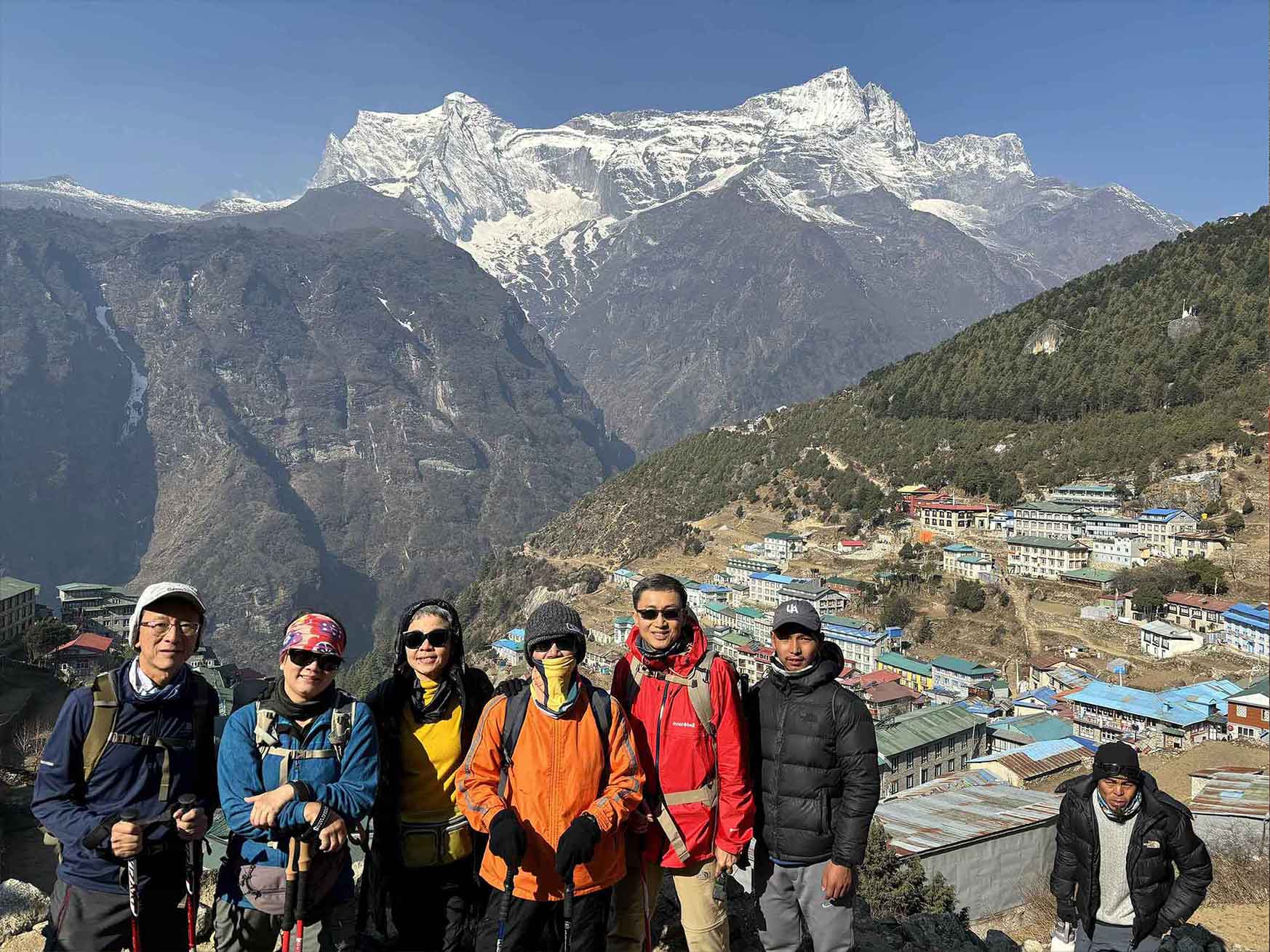
Everest Base Camp Trek – Starting at USD 1,350
Everest Base Camp Trek is the most iconic of all treks in Nepal. Like, who hasn’t heard of it? It takes you straight to the foot of Mount Everest, the world’s highest peak, standing proud at 8,848.86 meters. Along the way, you’ll walk through Sherpa villages like Namche Bazaar, Dingboche, Pangboche, and Tengboche, where you can interact with locals. Learn about their traditions and soak in that genuine Himalayan hospitality.
During the trek, you can spin prayer wheels at centuries-old monasteries and wake up to jaw-dropping sunrises at Kala Patthar. Thus, it’s a combination of unreal views of Everest and its surroundings, along with an exploration of Sherpa culture. Plus, you get that true sense of achievement as you stand on the Everest Base Camp.
- Duration: 14 Days
- Cost Range: $1,350 per person
- Route Difficulty: Challenging – high-altitude trails, glacier moraines, steep climbs
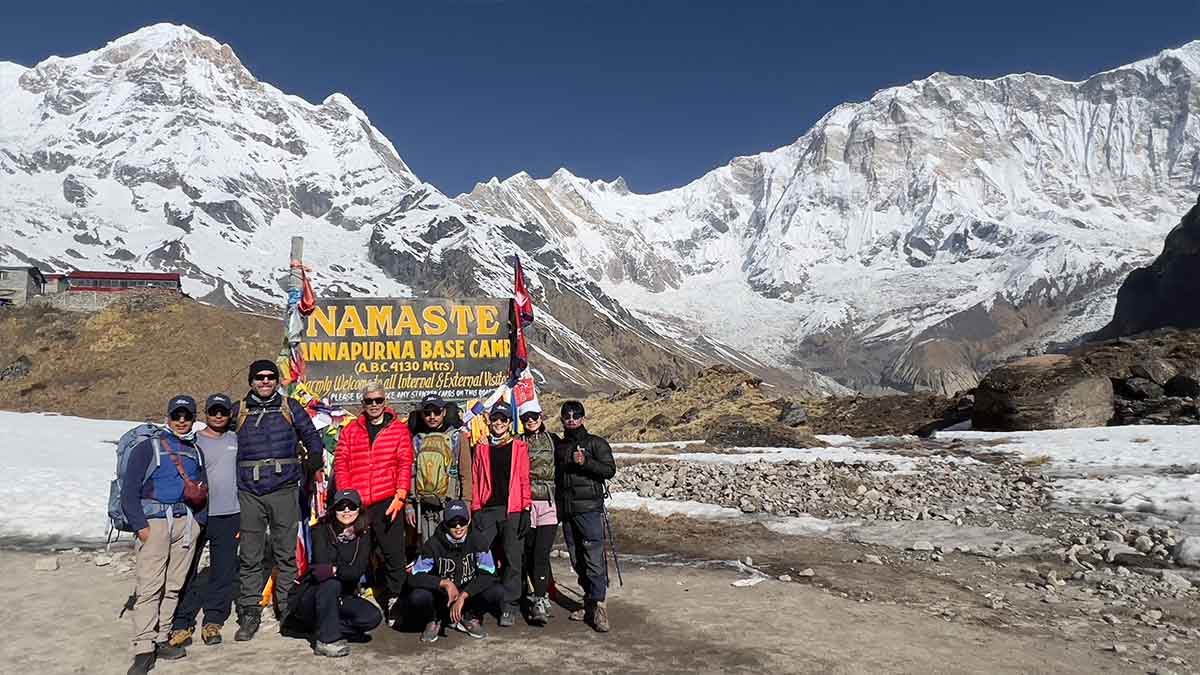
Annapurna Base Camp Trek – Starting at USD 700
The second most popular trek in Nepal, the Annapurna Base Camp Trek (ABC) offers majestic Himalayan views alongside warm hospitality. Unlike the long Annapurna Circuit Trek, ABC is more compact but just as impressive. You walk past dense rhododendron forests near Ghandruk, which change to cascading waterfalls around Bamboo. And finally, dramatic mountain landscapes and Annapurna Sanctuary above Deurali and MBC.
Thus, its varied terrain and shorter length make it perfect for those who want a balance of challenge and comfort. Rhododendron forests add to the charm of the ABC trek in Spring and Summer. Simply, it’s a walk to traditional Gurung villages, finishing with the unreal 360° scenery of Annapurna I, Hiunchuli, and Machapuchare.
- Duration: 9 Days
- Cost Range: $700
- Route Difficulty: Moderate – mixed terrain with a steady altitude gain
Langtang Valley Trek – Starting at USD 630
Similarly, we have the Langtang Valley Trek, which is less crowded but equally captivating. This trek is really Nepal’s best-kept secret. It is the closest Himalayan trek from Kathmandu, but still remains untouched by mass tourism. It offers alpine meadows, glacial rivers, and Tamang villages.
The main highlights are: Kyanjin Gompa, a peaceful monastery at the foot of Langtang Lirung, and a hike to Tserko Ri. The sunrise here is magical, and the views stretch across Tibet. So, this trekking tour is perfect for those who want to experience raw nature and cultural depth without suffering from extreme altitude.
- Duration: 8 Days
- Cost Range: $630
- Route Difficulty: Moderate – forested trails, gradual ascent, manageable elevation

Manaslu Circuit Trek – Starting at USD 950
In the same way, the Manaslu Circuit Trek is a wild and remote trail that circles Mount Manaslu. It is the eighth-highest peak in the world. This region is like Annapurna’s rugged cousin, more raw, less crowded, and filled with Tibetan-influenced villages and glacial valleys. It is one of the epic mountain pass treks in Nepal, where you’ll cross the famous Larkya La Pass (5,160m).
It’s also a restricted area trek, so there will be fewer tourists. You’ll also need a licensed guide and special permits. Thus, this trekking experience is ideal for adventurers looking for something offbeat and demanding.
- Duration: 12 Days
- Cost Range: $950
- Route Difficulty: Challenging – high passes, steep climbs, remote terrain

Ghorepani Poon Hill Trek – Starting at USD 399
Short on time but still want a Himalayan moment? The Ghorepani Poon Hill Trek delivers big views in just a few days. This popular route takes you through lush rhododendron forests, traditional Gurung villages and up to Poon Hill. From this viewpoint, you get one of the best views of sunrise in the Annapurna region. This is the perfect intro trek for beginners, families, or anyone who doesn’t want high-altitude trekking. It’s low-key, beautiful, and leaves you feeling refreshed rather than tired.
- Duration: 4 Days
- Cost Range: $399
- Route Difficulty: Easy – well-marked trails, minimal altitude risk (max 3,210 m), gentle hills

Why Nepal is Perfect for Tours and Treks
Nepal isn’t just a trekking destination; it’s a whole mood. It doesn’t really matter if you’re the kind of traveler who likes to roam ancient temples or one who thrives on conquering mountain passes. Nepal offers the best of both worlds. With the Himalayas up north and jungle lowlands down south, every direction gives you something wildly different.
And its cultural diversity is just as impressive as its natural beauty. The country is filled with centuries-old monasteries, temples, and ethnic villages. You could be sipping tea with monks in the morning and dancing with villagers at a festival by sunset. Therefore, Nepal offers the best places to visit for those who want a soulful, scenic, and story-filled journey that will remain forever embedded in your mind.
Solo vs Guided Tours
When planning a trip to Nepal, you’ll need to decide whether to go solo or join a guided experience (group travel). And this single decision totally shapes your adventure. Whether you’re strolling through ancient temples or hiking toward snowy peaks, both solo and guided options come with their own perks and challenges.
Solo vs Guided Tours Comparison
| Feature | Solo Tour | Guided Tour |
|---|---|---|
| Freedom & Flexibility | Total control over your schedule, stops, and pace | Follows a planned itinerary |
| Cost | Budget-friendly if managed well | More expensive but includes everything |
| Planning Effort | High: You handle bookings and schedules | Low: handled by the tour operator |
| Local Insight | Limited unless you research or ask locals | Deep cultural knowledge from local guides |
| Safety & Support | Generally safe in cities with normal street smarts | Safer for first-timers or solo female travelers |
Solo vs Guided Trekking in 2025
In the past, trekkers could do independent trekking in most regions. But things have changed now. Recent regulations have banned solo trekking without a guide in major trekking routes in Nepal like Annapurna, Everest, and Langtang. So if you want to hike alone, you’ll still need a licensed guide by your side. So, you’re not a group, but not truly solo either.
You can either:
- Hire a private guide for your flexible itinerary (guide solo trek), or
- Join a group trek where everything’s pre-planned.
Guided Solo vs Group Trek Comparison
| Feature | Solo Trek with Guide | Guided Group Trek |
|---|---|---|
| Legal Status | Allowed only with a licensed guide, except for Restricted Area Treks | Fully legal and organized |
| Freedom and Flexibility | You set the pace and route preferences with your guide | Follows a fixed itinerary set by the operator |
| Cost | Higher cost due to one-on-one guiding | Lower per person due to shared costs |
| Planning | The guide or agency handles permits, transport, and logistics | The operator arranges everything |
| Safety and Support | Personalized support and flexibility in case of emergencies | Group support with a guide, porters, and other trekkers |
Hence, if you crave freedom and are sticking to cities or short hikes, solo travel works great. But if you’re heading into the mountains, guided support is mandatory. Either way, Nepal has room for every kind of explorer.
Choosing Between Tours and Treks
Not sure whether to hit the trails or dive into the culture? Here’s how to decide what suits you best:
1. Based on Interest: Nature vs. Culture
- If you’re drawn to mountains, forests, and adventure, go for a trek. It gets you close to nature and away from the crowds.
- If you’re into history, heritage, food, and festivals, a tour is your vibe. You’ll explore temples, old towns, and vibrant markets.
2. Based on Physical Fitness and Available Time
- If you have low fitness or limited time, stick to short and easy cultural tours like Kathmandu Sightseeing or a Pokhara city escape.
- If you’re moderately fit and have around 4–7 days, go for easy to moderate treks like Ghorepani Poon Hill or Langtang Valley.
- If you’re in good shape and can commit to 10 or more days, take on challenging treks like the Everest Base Camp or Manaslu Circuit.
- If you’ve got extra time, mix things up. Combine a multi-day trek with a relaxing tour or jungle safari for a full Nepal experience.
3. Combining Both for a Balanced Experience
If you can’t decide between exploring ancient cities or trekking in the mountains, don’t stress. Most treks in Nepal already offer both. You spend time in Kathmandu or Pokhara, where you can visit UNESCO World Heritage Sites, ancient temples, and local markets. Here are some of the best treks that offer both the tour and trek aspects:
- Everest Base Camp Trek: Himalayan peaks, Tengboche Monastery, and the Mani Rimdu Festival
- Langtang Valley Trek: Forest walks, mountain views, Tamang villages, and prayer wheels
- Manaslu Circuit Trek: Rugged Himalayan route, Tibetan Buddhist culture at Mu Gompa and Lho Village
- Nar Phu Valley Trek: Remote alpine landscapes, isolated Tibetan Nar and Phu villages, and fortress-like monasteries
- Upper Mustang Trek: Desert-like landscapes, deep canyons, ancient walled cities, and sky caves
- Tsum Valley Trek: Pristine valleys and rivers, spiritual monasteries, mani walls, and local festivals
Tips for a Smooth Travel Experience in Nepal
- Book flights early, especially if you’re flying to Lukla. The seats sell out quickly, and weather delays can occur.
- Always use a registered trekking agency to avoid confusion and stay safe on the trails.
- Pack layers, as mountain weather can change at any time.
- Choosing comfortable boots to prevent blisters.
- Nepalese culture is warm but traditional, so respect local customs.
- Dress modestly, especially when you visit temples or monasteries.
- Carry some Nepali Rupees for trekking in rural areas where card payments aren’t common.
Conclusion
In short, Nepal is the perfect place to rejoice. Home to eight of the highest mountains in the world and an ancient civilization, there are many trekking and touring options. Nepal offers a memorable experience to everyone searching for adventure or interested in old traditions. From quiet monasteries to busy markets, each step leads you to the exploration of something new. So, if you want both nature and culture, Nepal is a great place for tours and hikes.
FAQs
How early should I book my Lukla flight for the Everest Base Camp trek?
Lukla is the gateway for Everest Base Camp treks. Lukla flights fill up fast, especially during peak seasons like spring and autumn. Therefore, you should book 2 to 3 months in advance. Weather delays are very common, so add buffer days to your schedule to avoid last-minute disruptions.
Are there safety concerns for solo trekking in remote areas like Nar Phu or Upper Mustang?
Solo trekking in remote regions like Nar Phu or Upper Mustang involves significant risks due to limited cell service, few medical facilities, and challenging terrain. Unless you are very experienced, hiring a knowledgeable guide is crucial for navigation, safety, and obtaining necessary permits in these isolated areas.
What’s the difference between the Everest Base Camp helicopter tour and the regular trek?
The helicopter tour provides a fast and scenic way to reach Everest Base Camp, eliminating the need for days of trekking. It’s ideal for travelers with limited time or who have health concerns about altitude. However, the regular trek offers a deeper experience. You gradually acclimate and interact directly with the local Sherpas. Most importantly, you get the physical achievement of reaching the base camp on foot.
How many Nepali Rupees should I carry when trekking in rural areas?
Most trekking regions in Nepal are still rural and remote. So, cash is essential here because ATMs and card facilities are scarce. For a 10- to 14-day trek, carry approximately 25,000 to 45,000 NPR ($187–$337). It should comfortably cover your daily meals, accommodations at the teahouse, and minor emergencies.
Can I customize tours and treks with Action Nepal Treks to fit my fitness level and interests?
Yes, Action Nepal Treks specializes in creating customized itineraries tailored to your fitness, time constraints, and personal interests. Whether you want a relaxed cultural tour, a challenging high-altitude trek, or a mix of both, their team works closely with you to craft the perfect trip experience.
