


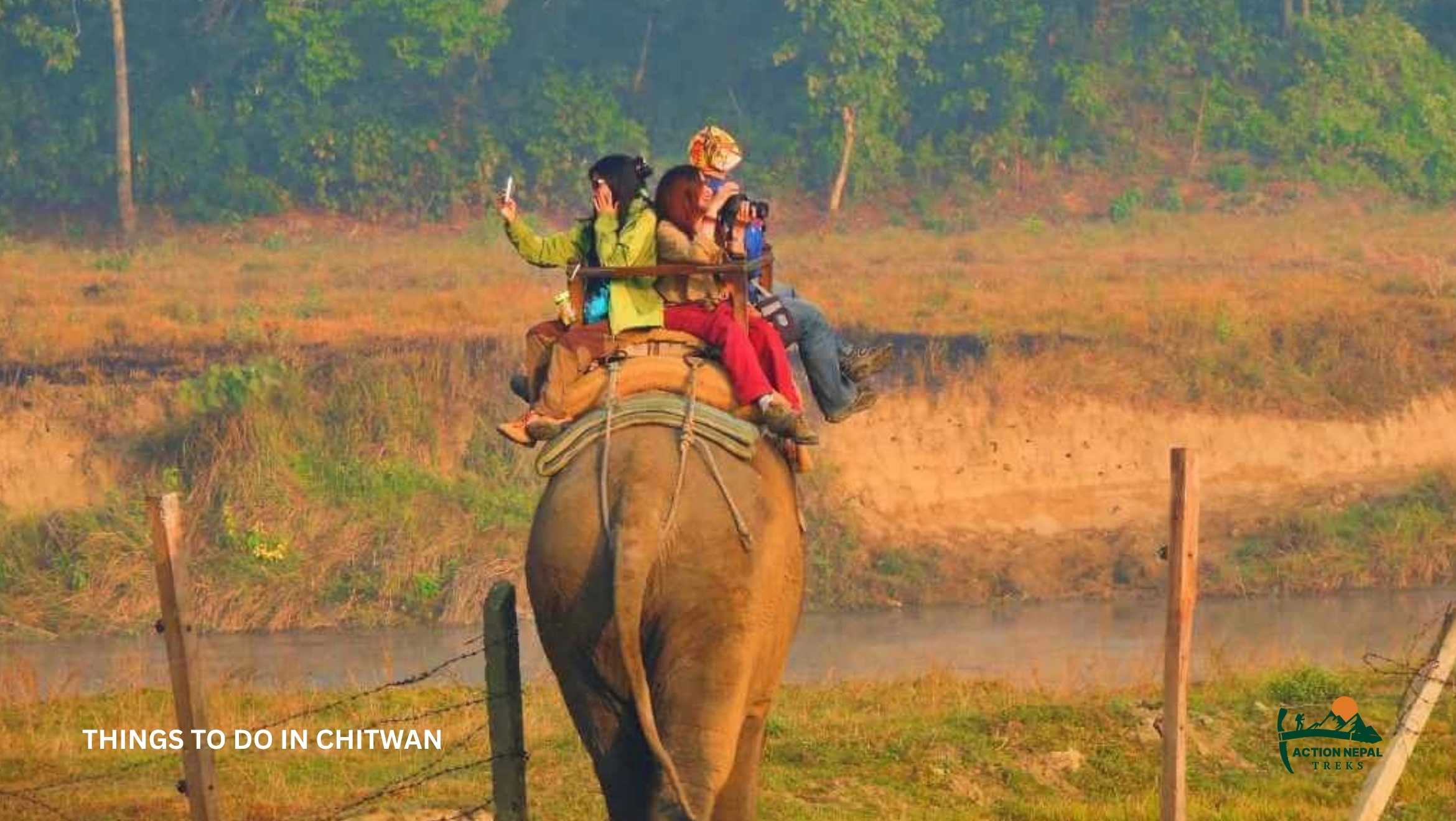
What if the most unforgettable part of your Nepal trip wasn’t the Himalayas, but a quiet canoe ride, a peaceful jungle river, and a close encounter with a one-horned rhino?
While Nepal is famous for its snow-capped mountains, the southern lowlands offer a completely different experience. Welcome to Chitwan, Nepal’s wildlife and jungle paradise, home to the UNESCO World Heritage Site of Chitwan National Park. Here, thick sal forests, wide grasslands, and calm rivers create a safe home for rare one-horned rhinos, Bengal tigers, and many other wild animals.
Easy to reach, safe to visit, and perfect for first-time safari travelers, Chitwan has something for everyone. You can enjoy exciting jeep safaris, peaceful canoe rides, birdwatching, cultural shows, and bike rides through traditional Tharu villages. Choosing a guided Chitwan Jungle Safari is the best way to make the most of your visit, giving you greater chances of spotting wildlife while enjoying authentic local experiences. Whether you’re looking for adventure, nature, or a relaxing escape, Chitwan offers an unforgettable side of Nepal that is well worth visiting.
Quick Facts About Chitwan
- Location: Southern Terai lowlands, roughly 150 km from Kathmandu.
- Established: 1973 as Nepal’s very first national park.
- Park Area: 952 square kilometers of protected jungle and wetlands.
- UNESCO Status: Listed in 1984 for its unique, pristine ecosystem.
- Famous For: Greater One-horned Rhinos, Bengal Tigers, and Tharu heritage.
- Primary Gateway: Sauraha, a riverside tourist hub with great hotels
Why Chitwan Deserves More Than a One-Night Stay
Many travelers spend only one night in Chitwan, but that often isn’t enough. After a five-hour road journey from Kathmandu or Pokhara, you’ll usually arrive in the afternoon. If you leave the next morning, you’ll have very little time to experience everything Chitwan has to offer.

Covering 952 square kilometers, Chitwan National Park is one of Nepal’s largest protected areas. Its forests, grasslands, rivers, and wetlands are best explored at a relaxed pace rather than on a rushed schedule. You have to stay for 2 to 3 nights for a much better experience that allows you to:
- Make the most of your journey. Instead of spending almost as much time traveling as exploring, you’ll have enough time to enjoy the park without feeling rushed.
- Increase your chances of seeing wildlife. Animal sightings depend on timing, weather, and luck. With extra days, you can join more than one safari or canoe trip, giving you a better chance of spotting one-horned rhinos, crocodiles, sloth bears, and, if you’re lucky, a Bengal tiger.
- Explore more of the park. A longer stay gives you time to join full-day jeep safaris that travel deeper into the park, away from the busiest visitor areas.
- Enjoy both adventure and relaxation. You can balance exciting wildlife activities with peaceful moments by the Rapti River, birdwatching, cycling through traditional Tharu villages, or simply relaxing at your jungle lodge.
So, instead of treating Chitwan as a quick stop between Kathmandu and Pokhara, give yourself a few extra days. You’ll enjoy the park at a slower pace and leave with a much richer experience of its wildlife, culture, and natural beauty.
What are the Top 10 Things to Do in Chitwan?
The best things to do in Chitwan combine wildlife, nature, culture, and relaxation. You can explore Chitwan National Park on a jeep safari or jungle walk, paddle along the Rapti River in a traditional canoe, visit Tharu villages, watch colorful birds, and enjoy peaceful sunsets by the river. Here are the top 10 places to visit in Chitwan you shouldn’t miss.
Join a Guided Jungle Walk
For an exciting adventure, explore Chitwan National Park on foot with a licensed naturalist. Your guide will help you identify animal tracks, recognize bird calls, and explain the park’s unique plants and wildlife while keeping you safe. Walking quietly through the forest offers a completely different experience from exploring by vehicle.
Go on a Jeep Safari in Chitwan National Park
A jeep safari is one of the best ways to explore the park’s forests, grasslands, and wetlands. Full-day safaris can travel deeper into the park, giving you more opportunities to spot one-horned rhinos, sloth bears, deer, crocodiles, and, if you’re lucky, the elusive Bengal tiger.
Take a Canoe Ride on the Rapti River
Enjoy a peaceful ride in a traditional wooden dugout canoe along the Rapti River. Early mornings are especially beautiful, with mist rising from the water. Along the way, you may see marsh mugger crocodiles, the critically endangered gharial, water birds, and other wildlife like elephants bathing along the riverbanks.
Visit a Tharu Village and Watch a Cultural Performance
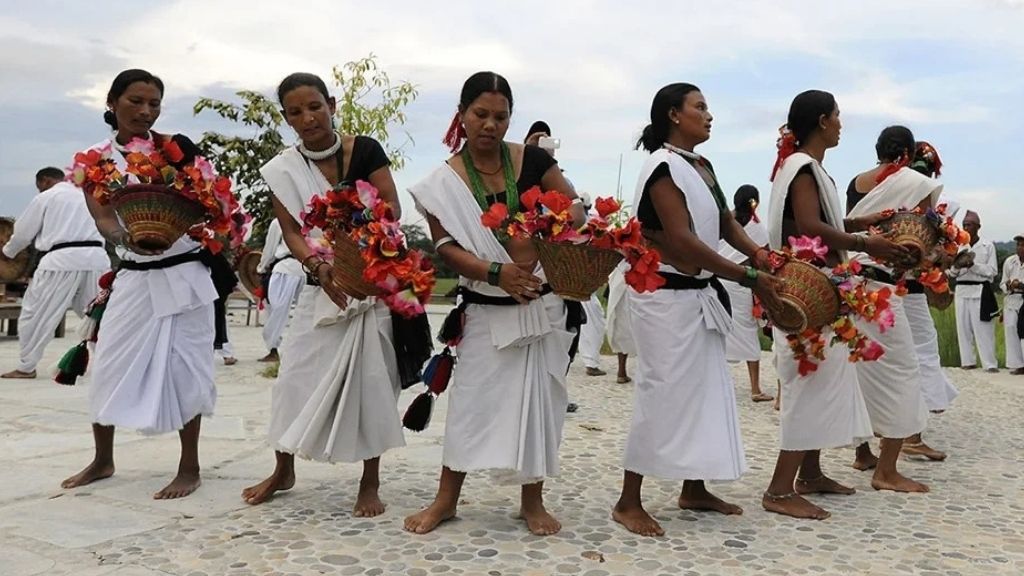
The Tharu people are the indigenous community of the Chitwan region. Visit a traditional village to learn about their homes, farming practices, and daily life. As you wander through the village, you will see traditional Tharu clay-relief wall art. Today, many local souvenir shops and women’s cooperatives also showcase vibrant Mithila paintings on pottery and handmade paper, blending the two distinct artistic traditions of the southern plains.
Then, in the evening, watch the lively Tharu Stick Dance and Peacock Dance, cultural performances passed down through generations.
Visit the Elephant Breeding Center and Gharial Conservation Center
Learn about Chitwan’s conservation efforts by visiting the Elephant Breeding Center and the Gharial Conservation Center. These facilities help protect endangered wildlife through breeding, research, and education while giving visitors a chance to learn more about these remarkable animals.
Go Birdwatching at Bis Hazari Tal
With more than 500 recorded bird species, Chitwan is a paradise for birdwatchers. Bis Hazari Tal, a Ramsar-listed wetland near the park, is one of the best places to spot birds such as hornbills, storks, kingfishers, eagles, and colorful migratory species.
Enjoy a Fishing Experience
Spend a relaxing afternoon fishing along approved sections of the Rapti or Narayani rivers with a local guide. Many tours follow catch-and-release practices, allowing you to enjoy the experience while supporting wildlife conservation.
Watch the Sunset by the River
As evening approaches, head to the banks of the Rapti or Narayani River. Find a riverside café, enjoy a refreshing drink, and watch the sky turn shades of orange and pink while the peaceful sounds of the jungle surround you.
Explore Sauraha by Bicycle
Rent a bicycle and discover Sauraha beyond the main tourist streets. Ride past rice fields, quiet villages, and riverside trails while enjoying the slower pace of local life. It’s an affordable, eco-friendly, and enjoyable way to explore the area.
Visit the Tharu Cultural Museum
Before leaving Chitwan, stop by the Tharu Cultural Museum to learn more about the region’s history and heritage. The museum displays traditional clothing, farming tools, household items, photographs, and exhibits that explain how the Tharu people have lived alongside the forests and wildlife for generations.


What Wildlife Can You See in Chitwan National Park?
Chitwan National Park is one of the richest wildlife destinations in South Asia. It is home to 68 mammal species, 544 bird species, 56 reptile and amphibian species, and 126 fish species. While the park is best known for the Greater One-horned Rhinoceros and the Royal Bengal Tiger, you’ll also have the chance to spot crocodiles, deer, monkeys, colorful birds, and many other animals during your visit.
| Animal | Chance of seeing | Best area |
|---|---|---|
| Greater One-horned Rhino | Very high | Grasslands, wetlands, and the Rapti River area |
| Gharial Crocodile | High | Rapti and Narayani riverbanks |
| Marsh Mugger Crocodile | High | Marshes and riverbanks |
| Spotted Deer & Barking Deer | Very high | Sal forests and open clearings |
| Rhesus Macaque & Langur Monkeys | Very high | Forest canopy and riverbanks |
| Wild Boar | Medium-high | Forest floor and grasslands |
| Gaur (Indian Bison) | Medium | Upland forests and sal forest areas |
| Sambar Deer & Hog Deer | Medium-high | Dense grasslands and marshes |
| Sloth Bear | Medium | Core jungle areas and termite-rich zones |
| Indian Leopard | Low-medium | Forest edges and bushy areas |
| Peacock & Other Common Birds | Very high | Open riverbanks and clearings |
| Giant Hornbill & Kingfishers | High | Deep forest canopy and river trails |
| Indian Rock Python | Low-medium | Sandy riverbanks and wetlands |
| Asian Wild Elephant | Medium | Core forest zones (wild herds are less commonly seen) |
| Royal Bengal Tiger | Low-medium | Deep core zones such as Kasara and Sukhebhar |
| Gangetic River Dolphin | Very low | Deep confluence areas of the Narayani River |
Note: Wildlife sightings depend on the season, weather, time of day, and a bit of luck. Join a full-day jeep safari or multiple activities during a 2-3 night stay for the best chance of seeing a wider variety of animals.
How to Get to Chitwan from Kathmandu
Traveling from Kathmandu to Chitwan is pretty straightforward. You can find various options to suit different budgets, schedules, and comfort levels.
Domestic Flight (Fastest and Most Comfortable)
- Duration: About 20 minutes, plus a 30-minute taxi ride from Bharatpur Airport to Sauraha.
- Cost: USD $100-$139 one way for foreign travelers (approximately NPR 3,100-4,500 for Nepali and Indian citizens).
- Comfort: Excellent. Flying avoids highway traffic, offers scenic views of the hills and Terai plains, and usually includes a 20 kg baggage allowance. Major airlines operating this route include Buddha Air and Yeti Airlines.
Private Car or Jeep (Best for Groups and Families)
- Duration: 4-5 hours, depending on traffic conditions.
- Cost: USD $100-$150 per vehicle (approximately NPR 10,000-17,000).
- Comfort: High. A private vehicle offers door-to-door hotel transfers, flexible rest stops, and a more comfortable ride. It is a convenient option for families and small groups.
Luxury Tourist Sofa Bus (Best Value for Comfort)
- Duration: 5-7 hours. Most buses leave around 7:00 AM from Sorhakhutte, near Thamel.
- Cost: USD $13-$15 per person (approximately NPR 1,000-1,600).
- Comfort: Moderate to high. Luxury tourist buses usually feature wide reclining seats, air conditioning, bottled water, and scheduled meal and restroom breaks.
Standard Tourist Bus (Best Budget Option)
- Duration: 6-8 hours.
- Cost: Around USD $10 per person (approximately NPR 800-900).
- Comfort: Moderate. Standard tourist buses offer reclining seats, luggage storage, and regular rest stops, making them a popular and affordable choice for most travelers.
Local Bus or Microbus (Cheapest Option)
- Duration: 7-9+ hours. Buses depart throughout the day from Gongabu New Bus Park.
- Cost: USD $4-$6 per person (approximately NPR 500-800).
- Comfort: Basic. Local buses can be crowded, make frequent stops, and usually do not have air conditioning. Most services stop at Sauraha Chowk (Tandi) on the highway, so you’ll need to take a local auto-rickshaw or taxi to reach your hotel in Sauraha.
When is the Best Time to Visit Chitwan for Wildlife and Activities?

The best time to visit Chitwan depends on your interests. The park is open throughout the year, and each season offers different weather, wildlife viewing opportunities, and outdoor experiences.
| Best Time | Ideal For | What to Expect |
|---|---|---|
| October-March | Overall Experience | Dry, clear weather with pleasant temperatures of 20-25°C (68-77°F). Ideal conditions for jeep safaris, jungle walks, canoe rides, birdwatching, photography, and other outdoor activities. |
| January-March | Wildlife Spotting | As sections of the tall elephant grass are cut, it becomes easier to spot one-horned rhinos, sloth bears, deer, and, if you’re lucky, the Royal Bengal tiger. |
| April-June | Wildlife at Waterholes | Temperatures often exceed 40°C (104°F), causing animals to gather around rivers and waterholes. If you don’t mind the heat, this season can offer rewarding wildlife sightings. |
| July-September | Budget Travel | The monsoon season brings fewer visitors and often lower hotel rates. While heavy rain may affect some safari routes, the forests become lush and beautifully green. |
| Year-round | Tharu Culture | Traditional Tharu village tours and evening cultural performances are available throughout the year. The cooler months simply make outdoor walks and evening shows more comfortable. |
How Many Days Do You Need in Chitwan?
A 3-day, 2-night stay in Chitwan offers the best balance of wildlife activities, cultural experiences, and relaxation. It gives you enough time to explore Chitwan National Park without feeling rushed while making the most of your journey from Kathmandu or Pokhara.
Here’s what you can expect on a typical 3-day itinerary:
- Day 1: Travel to Chitwan, explore a traditional Tharu village, and enjoy a cultural performance.
- Day 2: Experience the park’s top activities, including a canoe ride, guided jungle walk, and jeep safari.
- Day 3: Visit the Elephant Breeding Center before returning to Kathmandu or Pokhara.
In this way, the itinerary offers a balanced experience, giving you more time for wildlife viewing, cultural activities, and relaxation. Instead of trying to fit everything into a single day, you can explore Chitwan at a comfortable pace and make the most of your visit.
Safety Tips and Responsible Tourism in Chitwan
Chitwan National Park is a protected wildlife area where your safety and the well-being of its animals depend on responsible behavior. Follow these simple guidelines for a safe and enjoyable visit.
Safety Tips
- Follow your guide’s instructions at all times. Licensed naturalists are trained to handle wildlife encounters and know how to respond safely.
- Wear neutral-colored clothing. Earth tones such as green, brown, or khaki help you blend into the surroundings and are less likely to disturb wildlife.
- Keep a safe distance from animals. Never approach or feed wildlife, and avoid asking your guide to get closer for photos.
- Stay quiet during safaris. Loud voices and sudden noises can scare animals away or provoke defensive behavior.
- Carry water and sun protection. Chitwan can be hot and humid, so bring plenty of water, sunscreen, a hat, and insect repellent.
- Avoid entering the forest on your own. Always explore the park with an authorized guide or as part of an organized safari.
Responsible Tourism Guidelines
- Choose ethical wildlife experiences. Observe animals in their natural habitat and avoid activities that involve mistreatment or forced interactions.
- Leave no trace. Take all rubbish with you and avoid using single-use plastics whenever possible.
- Respect local communities. Ask for permission before photographing people, and if you can, support local businesses by staying in locally owned lodges or purchasing handmade crafts.
- Turn off your camera flash. Flash photography can disturb wildlife and should be avoided during safaris and cultural performances.
Conclusion
Chitwan is the vibrant heart of Nepal’s wilderness, offering a side of the country that many travelers never expect to find. From thrilling wildlife encounters to rich Tharu culture and peaceful riverside landscapes, it combines adventure with relaxation in a truly unforgettable way. By spending at least two or three nights here, you’ll have enough time to explore the park at a comfortable pace and make the most of your visit.
Plan your Chitwan adventure today and contact us to discover Nepal beyond the Himalayas in one of Asia’s finest wildlife destinations.

