


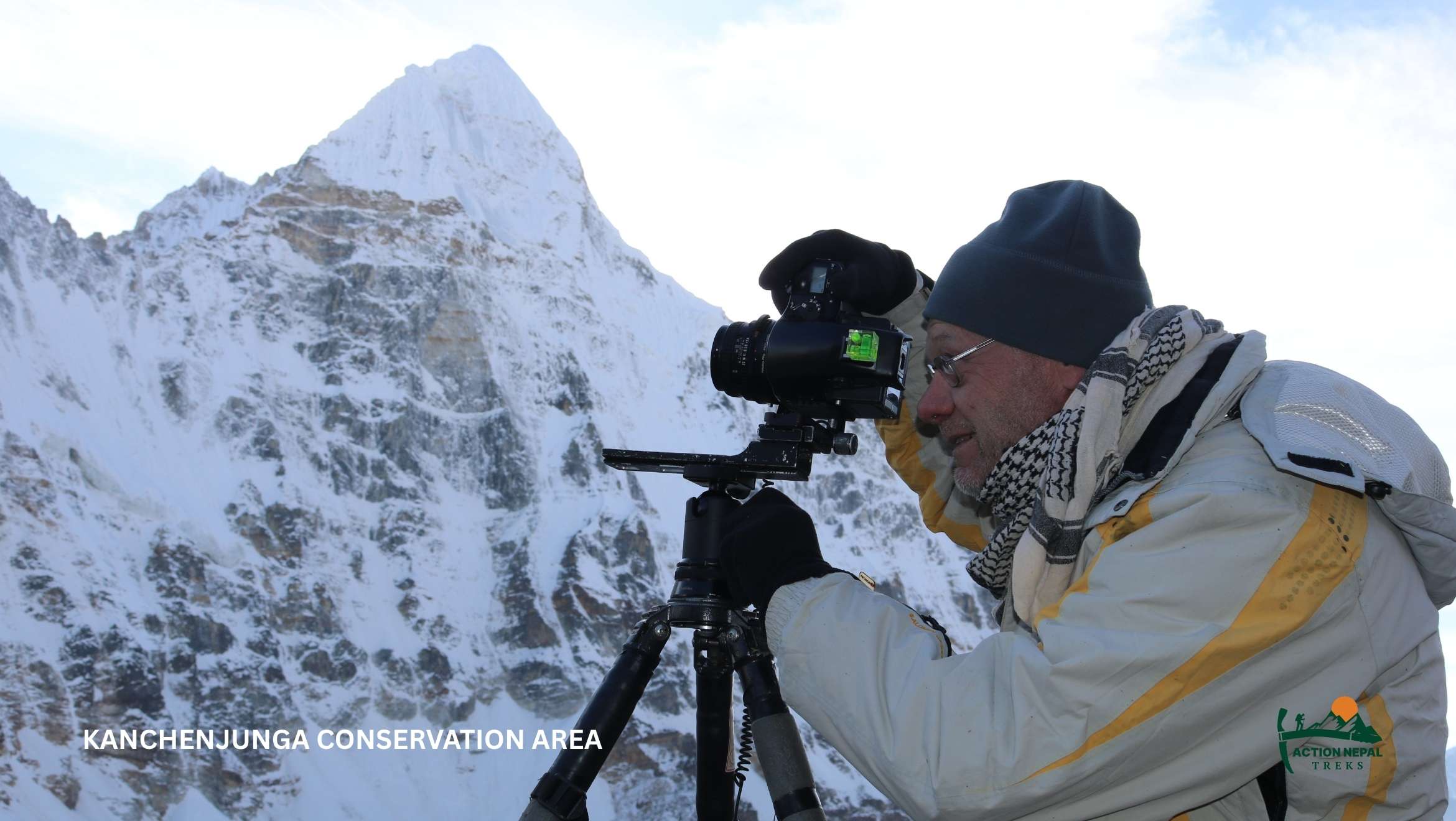
The Kanchenjunga Conservation Area, simply known as KCA, is one of Nepal’s most remote and unspoiled mountain regions. Covering 2,035 square kilometers in the far eastern Himalayas, it protects everything from lush forests and alpine meadows to glaciers surrounding Mt. Kanchenjunga (8,586 m), the third-highest mountain in the world. Unlike the Everest and Annapurna regions, only a small number of trekkers visit the region, giving you a quieter and more peaceful trekking experience.
The best way to explore the conservation area is on the Kanchenjunga Circuit Trek. This route links Kanchenjunga North Base Camp (Pangpema) and Kanchenjunga South Base Camp (Oktang) by crossing the scenic Sele La Pass. Along the way, you’ll walk through traditional Rai, Limbu, Sherpa, and Tibetan villages where local culture has changed little since the 1950s. Before you go, it’s worth understanding the route, permits, best seasons, and other essential planning details.
Kanchenjunga Conservation Area at a Glance
| Feature | Details |
|---|---|
| Established | 1997 |
| Protected Area | 2,035 sq km |
| Province / District | Koshi Province, Taplejung |
| Elevation Range | 1,200 m – 8,586 m |
| Main Trek | Kanchenjunga Circuit Trek |
| Major Base Camps | Pangpema (North), Oktang (South) |
| Best Seasons | Spring (March-May), Autumn (September-November) |
| Permits Required | Kanchenjunga Conservation Area Permit (KCAP) and Restricted Area Permit (RAP) |
| Guide Requirement | Licensed guide through a registered trekking agency |
| Solo Trekking | Allowed since March 2026 (guide still mandatory) |
Where Is the Kanchenjunga Conservation Area?
The Kanchenjunga Conservation Area is located in Taplejung District in eastern Nepal. It stretches from around 1,200 meters in the lower river valleys to the 8,586-meter summit of Mt. Kanchenjunga. This dramatic elevation range supports a variety of ecosystems, from subtropical forests to alpine meadows and glaciers.
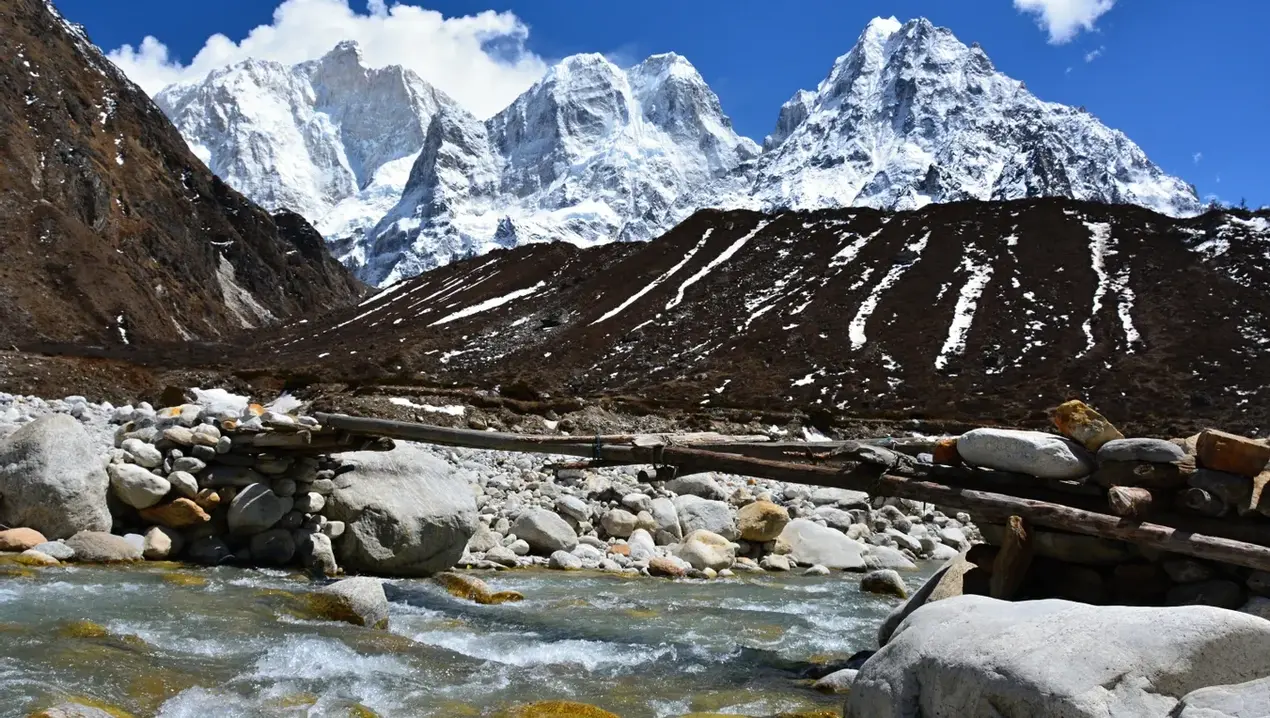
The conservation area also shares borders with two major protected areas. To the north, it borders Qomolangma National Nature Preserve in Tibet, which includes the northern slopes of Mt. Everest and is recognized as a UNESCO Biosphere Reserve. To the east, it connects with Khangchendzonga National Park in Sikkim, India, a UNESCO World Heritage Site.
Together, these protected areas form an important transboundary conservation landscape that helps preserve the unique ecosystems and wildlife of the Himalayas of eastern Nepal. The International Center for Integrated Mountain Development (ICIMOD) also supports the Kangchenjunga Landscape Conservation and Development Initiative (KLCDI), which promotes cross-border conservation between Nepal, India, and Bhutan to protect the region’s shared ecosystems and biodiversity.


Why Trek in the Kanchenjunga Region?
The Kanchenjunga region offers a very different trekking experience from Nepal’s more popular routes. Instead of crowded trails and commercialized villages, you’ll find remote mountain landscapes, rich biodiversity, centuries-old cultures, and some of the most spectacular scenery in the Himalayas.
Here are some of the reasons to choose Kanchenjunga:
Uncrowded Trails and True Wilderness
One of the biggest reasons trekkers choose Kanchenjunga is its solitude. Only a small number of trekkers visit the region each year, making it one of Nepal’s least-visited trekking destinations. You can often hike for hours without meeting another trekking group.
The region’s remote location and mandatory guide requirement have helped preserve its natural beauty and authentic atmosphere. Instead of busy trails, you’ll find peaceful forests, quiet mountain villages, and family-run teahouses that offer a more authentic Himalayan experience.
Visit Two Base Camps on One Trek
Unlike most trekking routes in Nepal, the Kanchenjunga Circuit gives you the rare opportunity to visit both Kanchenjunga North Base Camp (Pangpema) and South Base Camp (Oktang) in a single journey. The two base camps are connected by the scenic Sele La Pass, allowing trekkers to experience different perspectives of the world’s third-highest mountain on one trek.
Spectacular Mountain and Glacier Views
Although Mt. Kanchenjunga is the main highlight, the surrounding scenery is equally breathtaking. Throughout the trek, you’ll enjoy panoramic views of towering Himalayan peaks, including Mt. Jannu (7,711 m), Kabru (7,412 m), and Tent Peak (7,365 m). Near South Base Camp, the massive Yalung Glacier adds another unforgettable highlight to the journey.
Rich Biodiversity
The Kanchenjunga Conservation Area protects an impressive range of ecosystems, from subtropical forests and rhododendron-covered hills to alpine meadows and glaciers. This rich habitat supports some of the Himalayas’ rarest wildlife and more than 250 species of birds. Some of the notable species are:
- Mammals: Snow leopard, red panda, Himalayan black bear, Himalayan tahr, blue sheep, musk deer, Himalayan wolf, and clouded leopard.
- Birds: Himalayan monal, blood pheasant, satyr tragopan, and lammergeier.
Experience Local Himalayan Culture
The trek passes through villages inhabited by Rai, Limbu, Sherpa, and Tibetan Buddhist communities, each with its own traditions, languages, and way of life. Since tourism remains relatively limited, many families continue to rely on farming and yak herding, preserving a way of life that has existed for generations.
As you gain elevation, you’ll pass colorful prayer flags, ancient mani walls, prayer wheels, and traditional monasteries, including the historic Ghunsa Monastery, offering a glimpse into the region’s rich Buddhist heritage.
Kanchenjunga Trekking Routes
There are three main trekking options within the conservation area. Each offers a different experience, depending on your available time and trekking goals.
Kanchenjunga Circuit Trek
The full Kanchenjunga Circuit Trek is the most popular and rewarding option. It connects North Base Camp (Pangpema) and South Base Camp (Oktang) by crossing Sele La Pass. Thus, you get to experience the region’s diverse landscapes, cultures, and mountain views in a single journey.
Most experienced trekkers recommend completing the full circuit instead of visiting only one base camp. The route covers a wider variety of scenery while providing a more gradual pace for acclimatization.
Kanchenjunga North Base Camp Trek
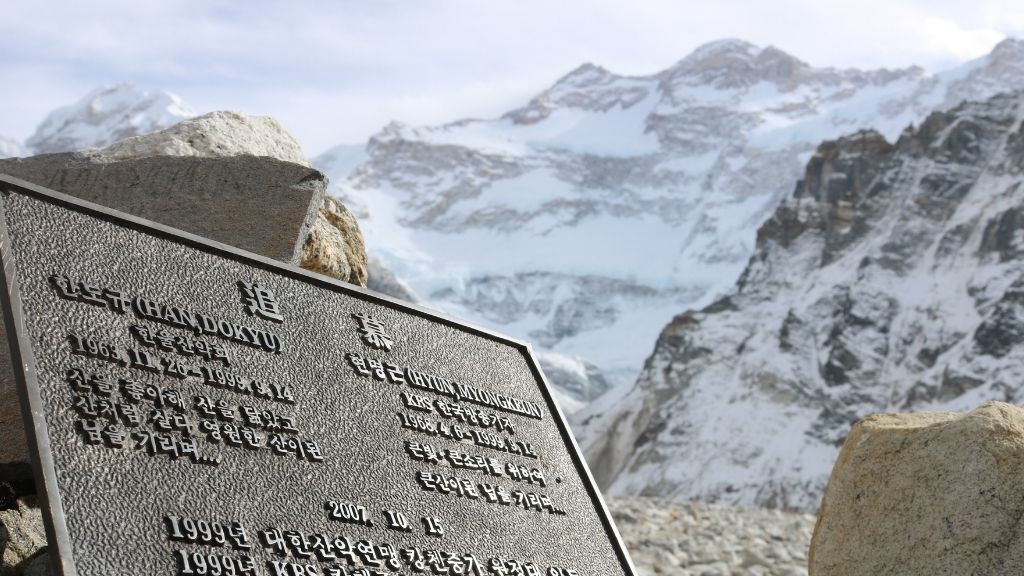
The Kanchenjunga North Base Camp Trek route follows the beautiful Ghunsa Valley to Pangpema. On the way, you get outstanding views of Kanchenjunga’s dramatic north face and surrounding glaciers. It is a shorter alternative for trekkers who don’t have enough time to complete the full circuit.
Kanchenjunga South Base Camp Trek
The Kanchenjunga South Base Camp Trek route leads to Oktang, where you’ll enjoy spectacular views of the Yalung Glacier and Kanchenjunga’s southern slopes. At around 4,730 meters, it is lower in altitude than the North Base Camp route and offers a different perspective of the mountain.
While it is physically easier and lower in altitude (4,730 m) than the rugged northern trail, fewer trekkers choose this route. But for those who do, it rewards them with quieter trails, lush forests, and impressive glacier scenery. It is an excellent option for those who want to experience Kanchenjunga’s southern side or are looking for a shorter alternative to the full circuit trek.
How to Get to Kanchenjunga Conservation Area?
There are two main ways to reach the Kanchenjunga from Kathmandu.
| Travel Option | Approximate Time | Things to Know |
|---|---|---|
| Fly from Kathmandu to Bhadrapur, then drive to the trek start point via Taplejung | Around 2 days | The fastest and most popular option. Domestic flights may be delayed or canceled due to weather. |
| Drive from Kathmandu to the trek start point via Taplejung | Around 2 days | A more budget-friendly option, but it involves long hours on winding mountain roads. Road conditions may worsen during the monsoon. |
Kanchenjunga Conservation Area Permits
All trekkers need two permits to enter the Kanchenjunga region. Since the conservation area borders both Tibet and India, it is classified as a restricted area by the Government of Nepal. These permits must be arranged in advance through a registered trekking agency.
| Permit | Cost | Details |
|---|---|---|
| Kanchenjunga Conservation Area Permit (KCAP) | Foreign nationals: NPR 3,000 SAARC nationals: NPR 1,000 | Required for all trekkers. Valid for a single entry with no time limit within the conservation area. |
| Kanchenjunga Restricted Area Permit (RAP) | USD 20 per person per week (for the first four weeks) | Required for all trekkers entering the restricted area. Must be arranged through a registered trekking agency. |
Solo Trekking Rules (Updated March 2026)
The solo trekking rules for the Kanchenjunga Restricted Area changed in March 2026. While solo trekkers can now obtain a Restricted Area Permit without joining another trekker, several important rules still apply:
- Solo trekking is permitted, but you must hire a licensed guide through a registered trekking agency.
- The Restricted Area Permit (RAP) must be arranged by a registered trekking agency. Individual applications are not accepted.
- Each licensed guide can accompany a maximum of seven trekkers.
These regulations help improve visitor safety while protecting the fragile border region and natural environment of the Kanchenjunga region.
Best Time to Visit the Kanchenjunga Conservation Area
The best time to trek in Kanchenjunga depends on the kind of experience you’re looking for, but spring and autumn are generally considered the two ideal seasons.
Spring (March-May)
Spring is one of the most popular times to visit the region. Temperatures are comfortable, mountain views are often clear in the mornings, and the lower hillsides burst into color as rhododendron forests bloom.
Clouds become more common later in the afternoon, especially toward the end of the season. Since spring is a popular trekking period, it’s a good idea to book your guide and permits well in advance.
Autumn (September-November)
Autumn is another excellent season for trekking. After the monsoon ends, the skies are usually at their clearest, offering some of the best mountain views of the year. Trails are dry, river crossings are more stable, and the overall weather is ideal for long days of hiking.
October is typically the busiest month, although Kanchenjunga still receives far fewer visitors than Everest or Annapurna. From late October onward, temperatures begin dropping, and early snowfall may occasionally affect the higher sections of the trail in November.
Winter (December-February)
Winter brings freezing temperatures and heavy snowfall, especially at higher elevations. Passes like Sele La can become difficult or temporarily impassable, and some seasonal teahouses may close during this time.
Winter trekking is best suited to experienced trekkers with flexible schedules and proper cold-weather equipment.
Monsoon (June-August)
The monsoon season is generally the least favorable time to trek. Heavy rain makes lower trails muddy and slippery, while leeches become common below the forest line. Thick clouds often hide mountain views, and landslides can disrupt road travel to and from Taplejung.
Although trekking is still possible, most visitors choose spring or autumn for more reliable weather and better visibility.
Accommodation and Food
Accommodation in the Kanchenjunga region is much simpler than in popular trekking destinations like Everest and Annapurna. Since the area remains remote and receives relatively few visitors, facilities are basic but provide everything needed for a comfortable trek.
Accommodation
Most trekkers stay in locally run teahouses, which are available in villages along the main trekking routes. These family-operated lodges typically offer twin-sharing rooms with basic beds, foam mattresses, blankets, and shared toilets.
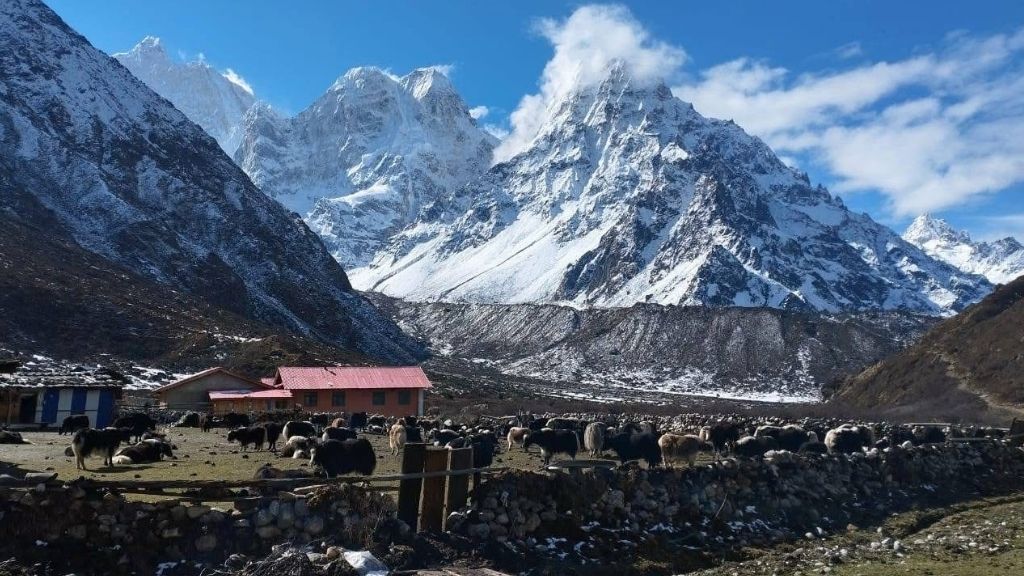
In some lower villages, you may also find community homestays, where you can stay with local Rai or Limbu families and experience their traditional way of life.
For camping or expedition-style treks, especially in remote areas near the glaciers, trekking agencies arrange fully supported tented camps with guides, porters, and cooking staff.
Facilities and Amenities
Accommodation is basic throughout the trek, and facilities become more limited as you gain altitude.
- Heating: Bedrooms are generally unheated. During the evenings, trekkers gather in a communal dining room, which is usually warmed by a wood or yak-dung stove.
- Electricity: Most villages rely on solar power. Charging electronic devices is available at many teahouses for an additional fee, although availability decreases at higher elevations.
- Internet and Mobile Network: Mobile coverage is available in some lower villages, but it becomes unreliable as you gain altitude. A few larger settlements offer paid Wi-Fi, though connections are often slow.
- Toilets and Showers: Shared toilets are common throughout the trek. Hot showers may be available in lower villages for an additional charge, while higher-altitude teahouses usually have more basic facilities.
Food
Although the Kanchenjunga region is remote, teahouses serve a variety of freshly prepared meals using locally available ingredients. Common menu items include:
- Dal bhat (rice, lentil soup, vegetables, and curry)
- Fried rice
- Noodles
- Momos
- Potato dishes
- Tibetan bread
- Garlic soup
- Porridge
- Pancakes
Dal bhat remains the most popular meal among trekkers and locals because it is nutritious, filling, and usually comes with free refills. At higher elevations, garlic soup is also a favorite among trekkers, while Tibetan bread is a common breakfast option.
Note: As you gain altitude, your appetite may decrease, but your body requires more energy. Eating regular meals and staying well hydrated are essential for maintaining strength throughout the trek.
Responsible Trekking in the Kanchenjunga Region
The Kanchenjunga Conservation Area is managed through a community-based conservation approach, so responsible tourism plays an important role in protecting both nature and local livelihoods. While trekking, remember to:
- Carry out all non-biodegradable waste and stay on marked trails.
- Avoid picking flowers or disturbing wildlife.
- Use a refillable water bottle to reduce plastic waste.
- Ask for permission before photographing local people.
- Walk clockwise around stupas and mani walls as a sign of respect.
- Dress modestly when passing through local communities or villages.
- Hire local guides and porters whenever possible, as it helps support the communities that maintain these trekking trails.
Practical Planning Tips
- Build extra time into your itinerary: Weather in eastern Nepal can delay domestic flights and block mountain roads due to landslides or snowfall. Add one or two buffer days before your international flight home.
- Prepare physically: The Kanchenjunga region involves long trekking days, steep ascents, and high altitude. Begin training at least 2–3 months before your trek, focusing on hiking, stair climbing, leg strength, and cardiovascular endurance.
- Pack for changing weather: Temperatures vary significantly with altitude, so dress in layers. Pack moisture-wicking base layers, an insulating down jacket, a waterproof outer shell, and a sleeping bag rated to at least -15°C.
- Carry a water purification method: Bring water purification tablets, a filter, or a UV purifier to treat drinking water and reduce plastic waste.
- Expect limited connectivity: Mobile signals are available only in some lower villages, while internet access is limited and often slow. Let your family know you may be offline for several days.
- Carry enough cash: There are no reliable ATMs or card payment facilities along the trekking route. Withdraw enough Nepalese Rupees in Kathmandu or Taplejung to cover accommodation, meals, charging, Wi-Fi, hot showers, and tips.
- Get comprehensive travel insurance: Make sure your policy covers trekking above 5,000 meters, emergency medical treatment, and helicopter evacuation.
Final Thoughts
The Kanchenjunga Conservation Area offers a very different trekking experience from Nepal’s more popular mountain regions. Instead of crowded trails and busy villages, you’ll find remote valleys, diverse landscapes, rich local cultures, and some of the country’s most spectacular mountain scenery.
The trek demands more time, careful planning, and physical preparation than routes like Everest Base Camp or Annapurna Base Camp. However, those extra challenges are also what keep the region peaceful and less commercialized.
If you have around three weeks to spare and want to experience one of Nepal’s last true wilderness treks, the Kanchenjunga Circuit Trek is an excellent choice. With realistic expectations, proper preparation, and the support of an experienced local guide, you’ll have the opportunity to explore one of the Himalayas’ most rewarding and least-visited trekking destinations.

