



If you’re planning for the Annapurna Circuit trek, the first thing to sort out is the permit paperwork. Thankfully, the standard or Short Annapurna Circuit trek only includes an Annapurna Conservation Area Permit (ACAP), so the process is relatively simple compared with many other trekking regions in Nepal. Trekkers Information Management System (TIMS) card is no longer checked on the Annapurna Circuit.
If you’re doing the Annapurna Circuit Trek via Nar Phu Valley, you’ll also need a Restricted Area Permit (RAP) for that section. Tilicho Lake, however, falls within the standard conservation area and does not require a separate permit. Keep this in mind when adding side trips to your Annapurna Circuit itinerary.
Obtaining permits yourself can be tough when you’re a first-timer. We at Action Nepal Treks can arrange your ACAP before you arrive in Nepal as part of our package. You can start your trek right away without dealing with paperwork after landing. This gives you more time to focus on your route, packing, and preparation for the trail.
What Is the Latest Government Update on Annapurna Trekking Permits?
The Nepal Tourism Board (NTB) and local authorities updated trekking requirements and permit procedures for thie Annapurna Circuit. The main changes concern the guide requirement, TIMS, and permits for restricted areas.
Mandatory Guide Rule
- The Requirement: Foreign trekkers must complete the Annapurna trek with a licensed guide arranged through a government-registered trekking agency.
- Current Practice: Solo trekking on the Annapurna Circuit is still allowed, but this may change. Check the latest requirements before departure, or book through a licensed agency that provides a trekking guide as part of a package. Even when a guide isn’t legally required, having one is recommended because the route crosses the high-altitude Thorong La Pass (5,416m). It’s especially important if you’re a first-time or beginner trekker.
TIMS Card Discontinuation
- The Requirement: The TIMS requirement was introduced for the Annapurna Circuit under the 2023 regulations.
- Current Practice: Its enforcement has not been consistent on the route. Annapurna checkpoints currently focus primarily on checking the ACAP, so you may find older information saying that a TIMS card is mandatory even though it is not routinely checked in practice.
Restricted Area Permit Changes
If your Annapurna Circuit itinerary extends into restricted areas such as Nar Phu Valley or Upper Mustang, separate permit rules apply.
- Solo Travelers: The previous minimum group-size requirement of two foreign trekkers has been removed, allowing individual travelers to obtain a Restricted Area Permit (RAP).
- Guide Condition: A licensed guide arranged through a registered trekking agency is still required for travel in RAP areas.
What Permits Are Required for the Annapurna Circuit Trek?
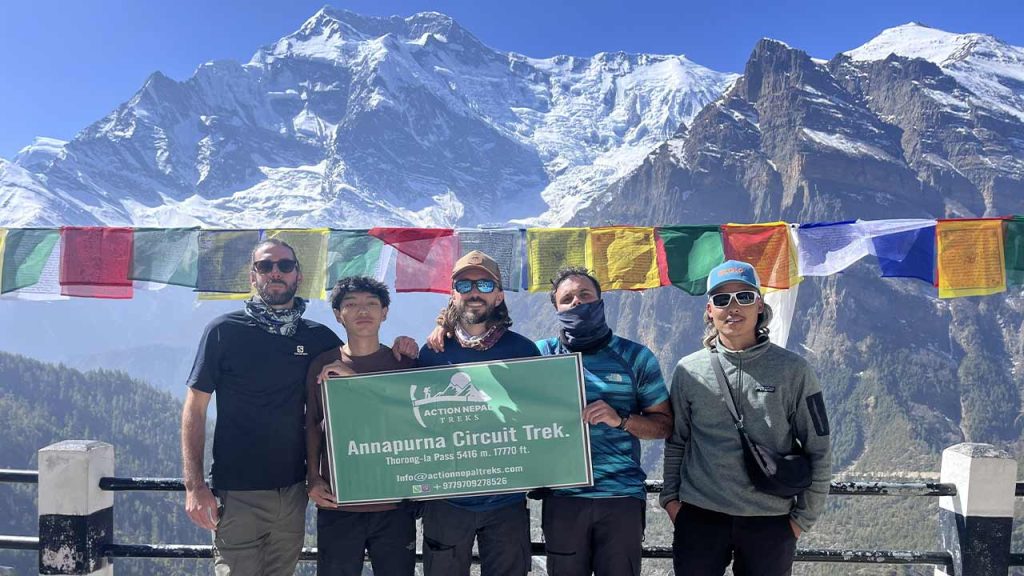
Every trekker trekking in the Annapurna Region needs an ACAP permit. If your route includes Nar Phu Valley, you’ll also need a Restricted Area Permit (RAP) for that section, while if you do the Annapurna Circuit with Tilicho Lake, it does not require separate paperwork as it falls within the standard conservation area.
Annapurna Conservation Area Permit (ACAP)
The Annapurna Conservation Area Permit (ACAP) is the main permit required to enter the Annapurna Conservation Area, a protected area. You’ll need to carry the physical permit during your trek, as officials may check it at checkpoints along the route.
The Nepal Tourism Board (NTB) and the National Trust for Nature Conservation (NTNC) manage it jointly. This permit helps fund vital environmental and community initiatives such as trail maintenance, waste management systems, and community development projects in high-altitude villages like Manang and Ghandruk.
The current Annapurna Circuit Trek permit costs are:
| Category | Permit Fee | Additional Notes |
|---|---|---|
| International Tourists | NPR 3,000 | Standard fee for foreign nationals |
| SAARC Citizens | NPR 1,000 | Applies to SAARC nationals |
| Children Under 10 | Free | A passport copy or other identification may still be required |
What Happens If I Lose My ACAP Permit While on the Trail?
Losing your physical ACAP permit can cause delays at checkpoints, so report it as soon as possible.
- Report the Loss: Notify your guide or the nearest checkpoint or police post. If you’re trekking independently, report the loss directly to the relevant checkpoint.
- Keep a Backup: Save a clear photo or copy of your ACAP permit and permit number on your phone. This can help officials verify your permit details.
- Replacement: You may need to pay a replacement or processing fee, depending on where the loss is reported. If you booked through an agency, its records may help with verification.
TIMS Card: Do You Still Need One?
The TIMS card is not routinely checked on the Annapurna Circuit, although it remains part of the official requirements introduced in 2023. Check the latest requirements with your agency before departure, as enforcement can change.
Restricted Area Permit
A Restricted Area Permit (RAP) is only required if you branch off the Annapurna Circuit into restricted areas near the Tibetan border, such as Upper Mustang or Nar Phu Valley. Solo travelers can apply for a RAP but must travel with a licensed guide through a registered agency.
- Upper Mustang RAP: The permit costs USD 50 per person per day for the duration of the trek.
- Nar Phu Valley RAP: The permit costs USD 100 per person per week during peak season (September-November) and USD 75 per person per week during the rest of the year (December-August), plus USD 15 per day for additional days.
- Tsum Valley RAP: The permit costs USD 40 per person per week during peak season (September-November) and USD 30 per person per week during the off-season (December-August). Staying beyond the first week costs an additional USD 7 per person per day.
Note: Tsum Valley is outside the Annapurna region, so you also need a Manaslu Conservation Area Permit (MCAP). It costs NPR 3,000.


Where and How to Get Annapurna Circuit Trek Permits?

You can obtain your Annapurna Conservation Area Permit (ACAP) through the Nepal Tourism Board (NTB) office in Kathmandu (Bhrikutimandap) and the ACAP permit counter in Pokhara (Lakeside district). If you book your trek through an agency, they can handle the permit application for you before your trek, so you do not need to visit the permit office yourself.
Can I Get the Permit in Pokhara Instead of Kathmandu?
Yes. You can get the permit either from Kathmandu or Pokhara. If you fly directly into Pokhara or travel there before starting the trek, you can arrange your permit there instead of going to Kathmandu first. If you book through an agency, they can process it at whichever office fits your itinerary.
What Documents Do You Need to Apply for an Annapurna Permit?
You’ll need the following documents for your ACAP application:
- A clear copy of your passport, with at least 6 months of validity remaining
- A copy of your valid Nepal Tourist Visa
- 2-4 recent passport-sized photographs; digital copies are accepted for online applications
- Your trekking itinerary, including planned entry and exit dates and trailheads
- Travel insurance details showing coverage for trekking up to 5,500m and emergency helicopter evacuation
Can I Apply for the Annapurna Circuit Permit Online?
Yes. The National Trust for Nature Conservation (NTNC) has an official e-permit portal where you can submit permit applications online. You can pay online or at the counter. If you pay online, the permit is emailed to you after successful payment, so you don’t need to visit the permit counter. Visa and MasterCard are accepted, with an additional 2.9% payment gateway charge.
For counter payment, you must visit the EP Counter in person, pay in cash, and bring your passport or valid identification. If you obtain the permit at a checkpoint, you’ll be charged double the regular permit fee.
Permit Checkpoints Along the Annapurna Circuit Trek
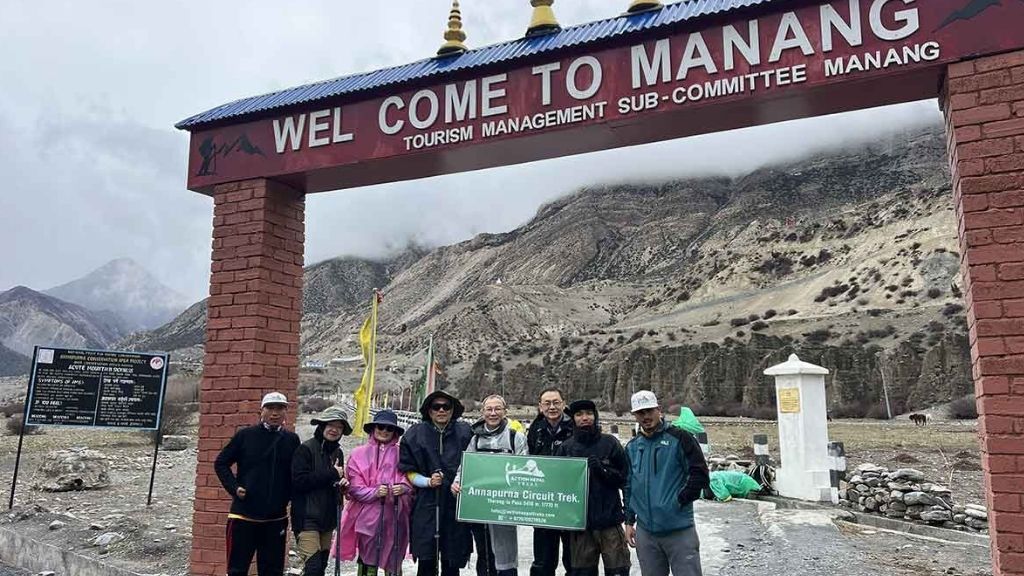
You’ll pass through several permit checkpoints and police posts along the Annapurna Circuit. Keep your physical ACAP permit accessible in your daypack, as it may be checked and recorded at checkpoints during the trek.
Common permit checkpoints on the Annapurna Circuit Trek route include:
- Besisahar: One of the first major permit checkpoints when entering the Annapurna region.
- Dharapani: A key checkpoint before continuing into the upper Manang section.
- Chame: Another checkpoint along the route toward Manang.
- Manang: Your permit may be checked again before continuing toward the high-altitude section and Thorong La.
- Kagbeni/Jomsom: Checkpoints on the Mustang side after crossing Thorong La Pass (5,416m).
Keep your permit safe throughout the trek. If it is lost or damaged, report it to your guide or the nearest checkpoint as soon as possible, as replacing or verifying your permit may cause delays.


Common Annapurna Circuit Permit Mistakes and How to Avoid Them
- Misunderstanding the Guide Rule: The 2023 guide requirement still appears in official regulations, even though enforcement on the Annapurna Circuit has not been consistent. Check the latest requirements before your trek rather than relying on older information.
- Paying for an Unnecessary TIMS Card: TIMS is not routinely checked on the Annapurna Circuit, despite older sources listing it as mandatory. Confirm the current requirements with your travel agency before paying for one.
- Relying on Outdated Fee Information: Permit fees and procedures can change, so check the current rates before budgeting for your trek.
- Not Keeping Your Permit Accessible: Keep your physical ACAP somewhere safe and easy to access during the trek. You need to show it at checkpoints along the route.
- Forgetting Extra Permits for Side Trips: Your ACAP does not cover restricted areas such as Nar Phu Valley. Check the permit requirements for any side trips before leaving the main circuit.
Conclusion
The Annapurna Circuit permit process is relatively straightforward: you need an ACAP permit, while the 2023 guide requirement remains part of the official regulations despite inconsistent enforcement in practice. TIMS is not routinely checked on the circuit, but requirements can change, so check the latest rules before departure. If you book through an agency, arranging the paperwork in advance can help you avoid unnecessary delays at the start of your trek.

